

Retention at scale
5% improvement in retention saves millions annually at enterprise headcount, and replacement cost runs 50–200% of salary per departure (SHRM, 2024).
Connect people, content, and tools
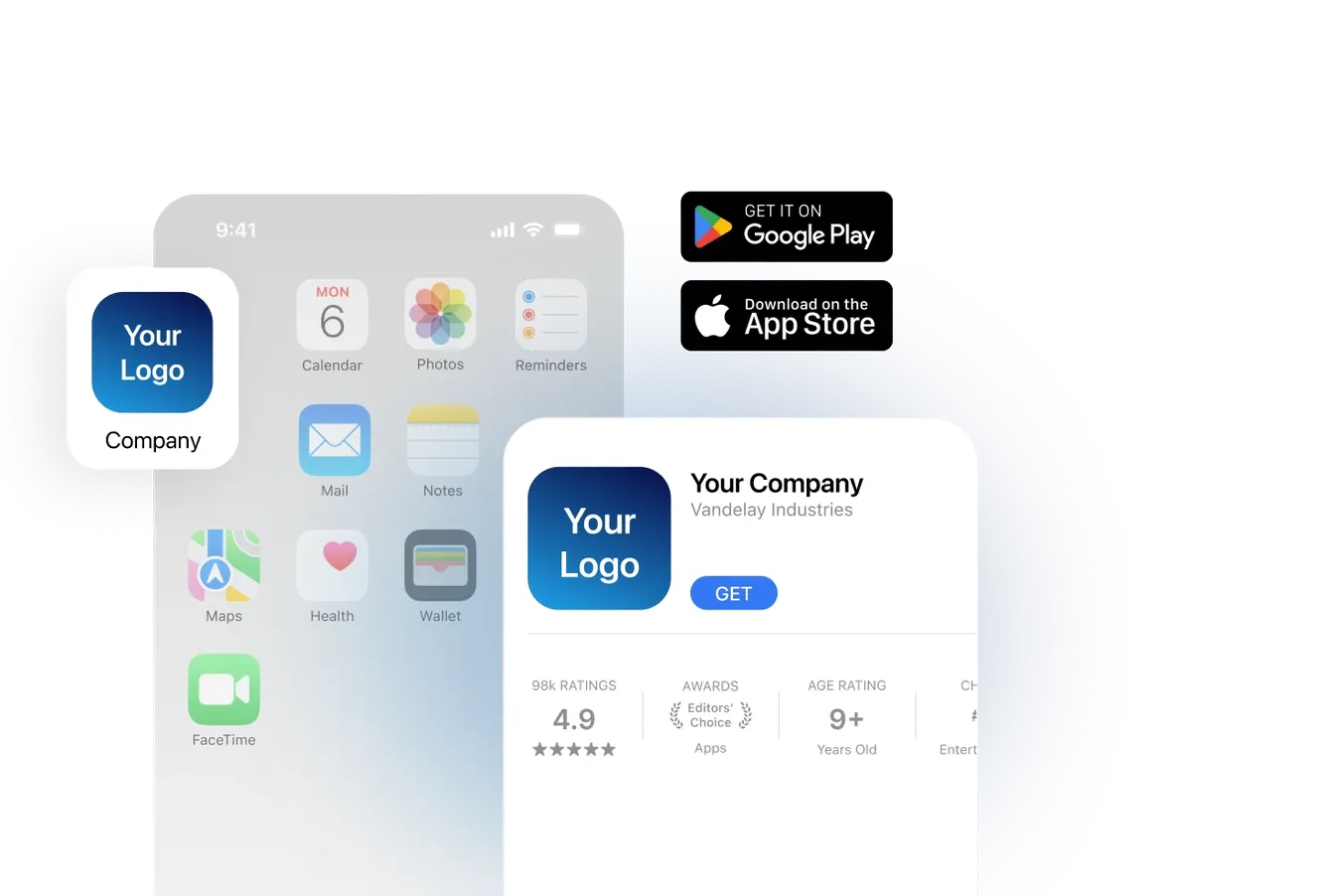
Reach teams wherever they work
Send targeted internal emails
Publish once, reach everyone
The right answer, every time
Onsite updates for your teams
AI-native content management
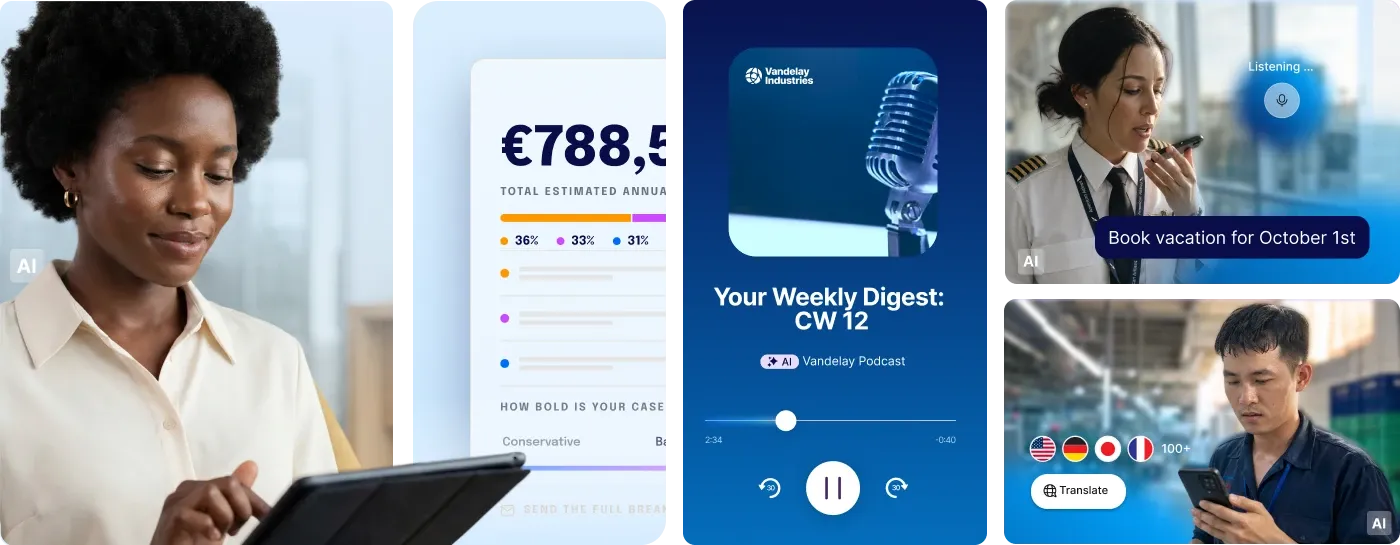
Personalized audio briefings
Town halls finally reach everyone
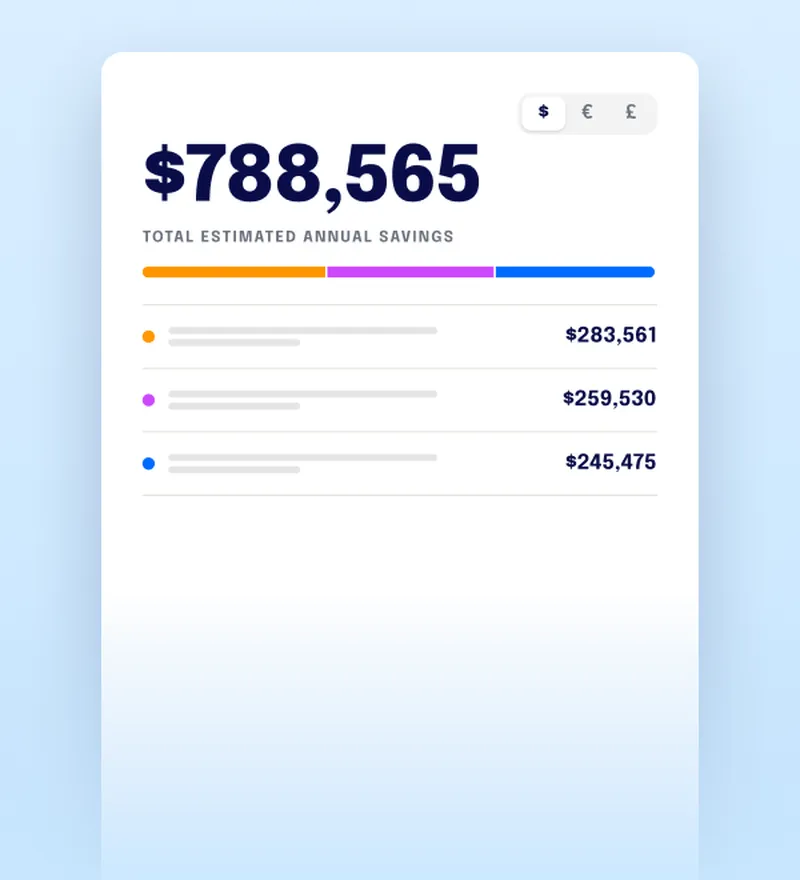
AI made writing code nearly free. It didn't make owning a global, multi-brand, frontline-ready communications platform any less complex, or any cheaper to run across dozens of entities, languages, and works councils. See the honest five-year comparison, build vs. buy, before your team commits budget, headcount, or years of engineering time.
5 %
improvement in retention saves millions of dollars a year at enterprise scale
70 %
of IT budgets are already consumed maintaining existing systems (Gartner, 2025)
18 + months
minimum to build a comparable app, while your business units, brands, and markets keep multiplying
3 months
average deployment for a purpose-built platform, across every entity, market, and language
At enterprise scale, employee communications isn't one audience: it's dozens of business units, brands, languages, and regulatory regimes, plus a large deskless or frontline population most tools weren't built to reach. Underinvesting here doesn't just cost engagement, it compounds across every entity you operate.
Retention at scale
5% improvement in retention saves millions annually at enterprise headcount, and replacement cost runs 50–200% of salary per departure (SHRM, 2024).
Safety & compliance
Safety updates with 75% read rates within one hour are documented evidence of due diligence, evidence you need consistently across every market you operate in, not just headquarters.
Change adoption during M&A
Large enterprises restructure constantly. 70% of change initiatives fail, mostly from poor communication. At scale, a stalled rollout costs months across thousands of employees.
Deskless and frontline reach
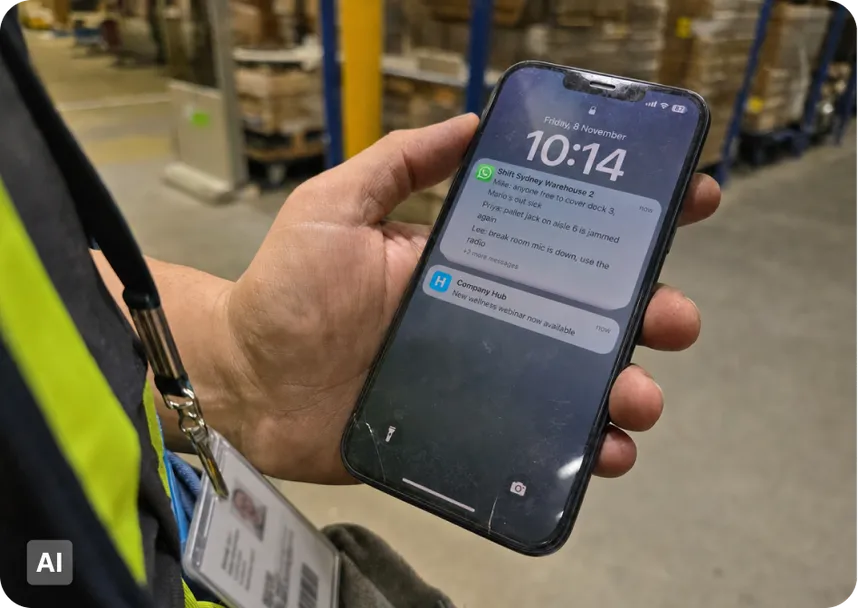
80% of the global workforce is deskless. If your workforce spans stores, plants, warehouses, or field teams, mobile-first native push isn't a nice-to-have. It's the only channel that reaches most of your headcount.
Every enterprise eventually has this conversation internally, usually starting with someone in engineering raising a hand. It's rarely about whether the team could build something. It's about pressures that have nothing to do with code.
Budget scrutiny on every line item
Finance is questioning why you're paying full price for thousands of seats when adoption looks uneven across the business. That's a fair question to have to answer. What it doesn't account for is that proving a cheaper in-house alternative means first building the usage tracking, metering, and billing logic to measure it, a project of its own that has to ship before it saves you a dollar.

A vendor relationship that went wrong before

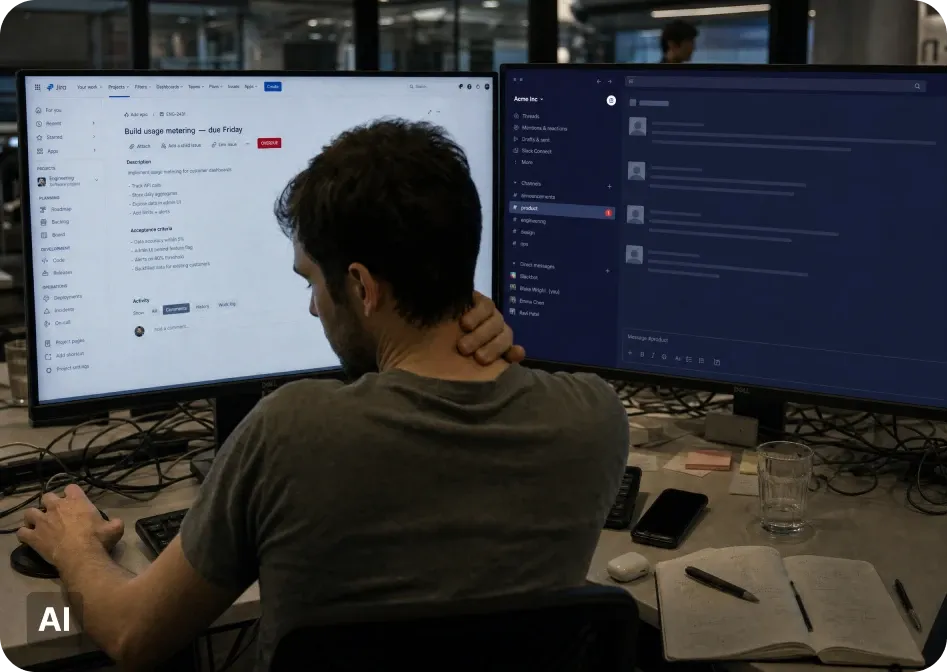
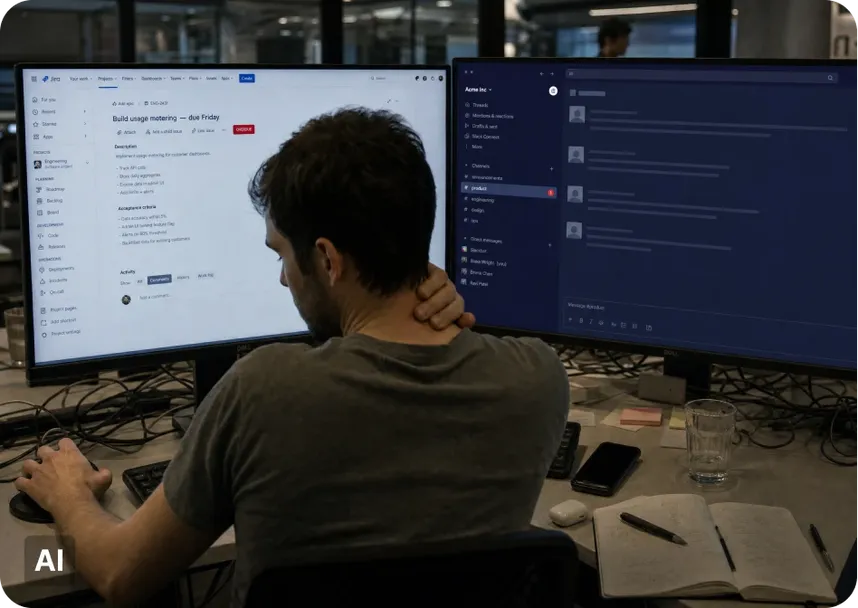
Engineering capacity that could go elsewhere
An experience that can't look off-the-shelf
Confidence that AI has closed the gap


The build-or-buy framing assumes it's all or nothing. For technical organisations with existing front-end investment, it usually isn't.
Headless-friendly architecture
Keep your existing front end. If you’ve already decoupled your site, our platform operates as a reliable backend—delivering data via API so you can preserve your custom design system and rendering logic.
Integrates with your existing tech stack
Enhance your tools instead of replacing them. Connect your current workflows or custom automation engines directly into the platform to protect your past software investments.
Standardize the routine, customize the unique
Automate the repetitive 70% of standard pages and navigation using out-of-the-box tooling. Reserve custom development for your unique workflows without forcing a complete site migration.
The hidden cost of delayed adoption
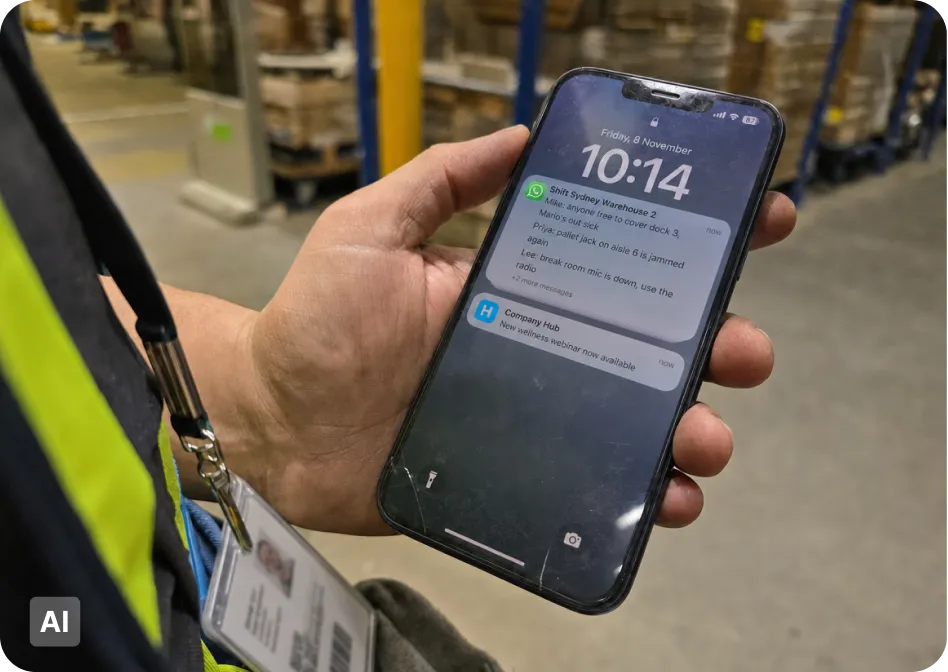
An 18-month build slips to month 26 following key talent departures and multi-market compliance rearchitecting. It finally launches—only to hit 12% adoption as employees stick to old habits like WhatsApp and email.
The Reality Check: What happens to your business case if year-one adoption reaches only 20% instead of 60% across your entire headcount?
The hidden traps of custom AI

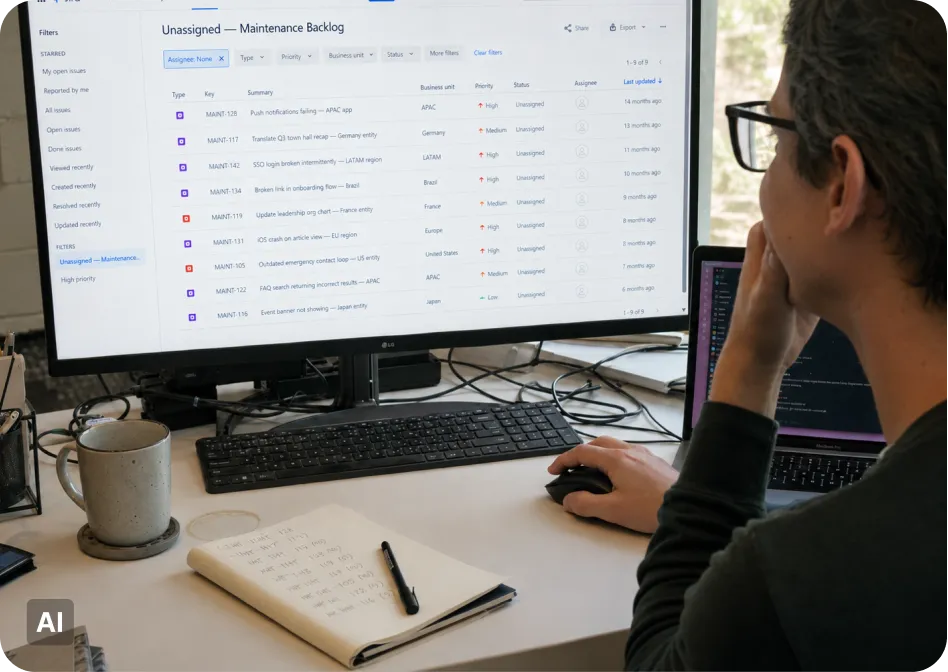
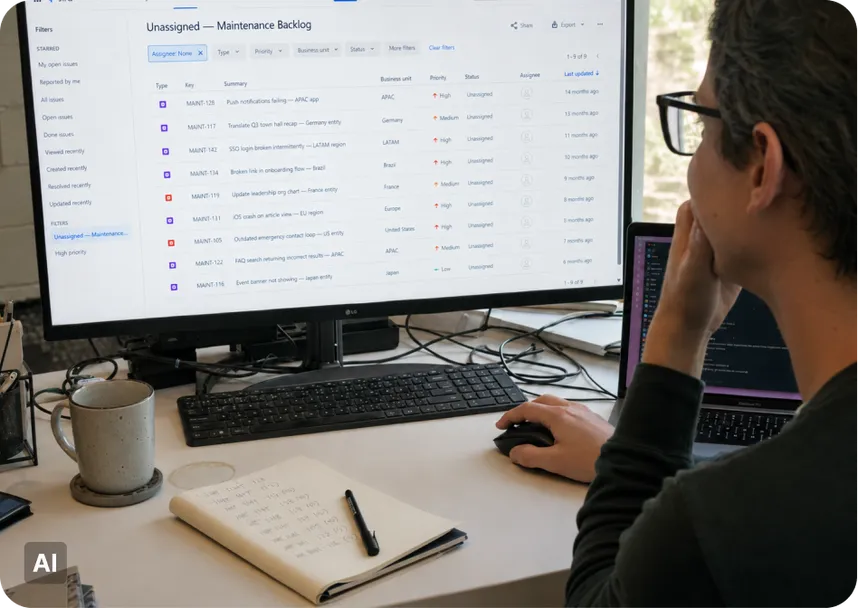
The platform nobody used
We are also a consulting organisation that has produced what is knows across 500+ real deployments across industries and markets.
Build
Bring your own
Build a platform with internal resources
Code that does what you specifies
Features your team designed
Engineers who build the platform
A roadmap you own and fund
Push infrastructure you engineered
A platform that may not evolve after launch
Buy
Staffbase + SCP
Specialised in Internal Communication Platforms
A platform built around what employees actually do, across every business unit
Features shaped by 500+ deployments
Customer Success teams with experience in your industry and market
A roadmap funded collectively by 500+ customers
Native push, 75% read within one hour
A platform that improves continously, including from your competitors' deplyoments
Is employee communications the domain in which your organisation creates unique competitive value, or the operating infrastructure through which your actual advantage is delivered across every business unit? Evaluate any partner, or your own build case, against these six dimensions:
Ownership
Integration
AI readiness
Employee experience
Governance
Long-term value
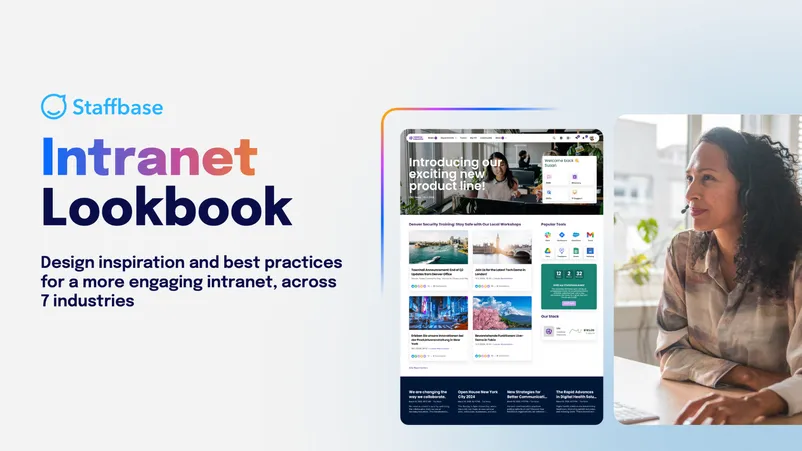
Why do some intranets get used every day while others get ignored? It comes down to design — and how it shapes the way employees perceive, navigate, and take action. This guide offers design inspiration with 14 intranet examples across seven industries, along with best practices for a more engaging intranet.
Download guide