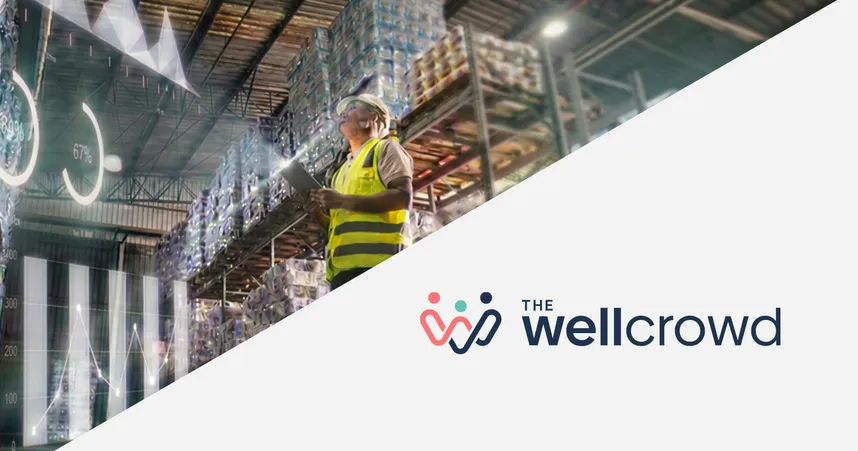


Around 80% of the global workforce is deskless, yet the current corporate buzz is entirely focused on desk-based AI tools. Why are frontline workers being left behind in the AI revolution, and what are the hidden risks of this oversight?
Staffbase has released research suggesting many Australian executives still treat artificial intelligence as an IT function, exposing gaps in governance and internal communication.
Nearly every employee at Staffbase, an employee experience platform, is out of office each Friday in August.
Richmond, Virginia-based prodealer Lansing Building Products is on a mission to build the strongest relationships in the industry — a goal spelled out in black and white in the company’s Vision 2030 strategy.
The modern corporate landscape currently boasts some of the most sophisticated AI infrastructure in history. Yet, if a person on the shop floor, a nurse in a ward, or a driver in a warehouse cannot access basic information, the organisation is not truly digitally transformed. Leadership is simply shouting into a void.
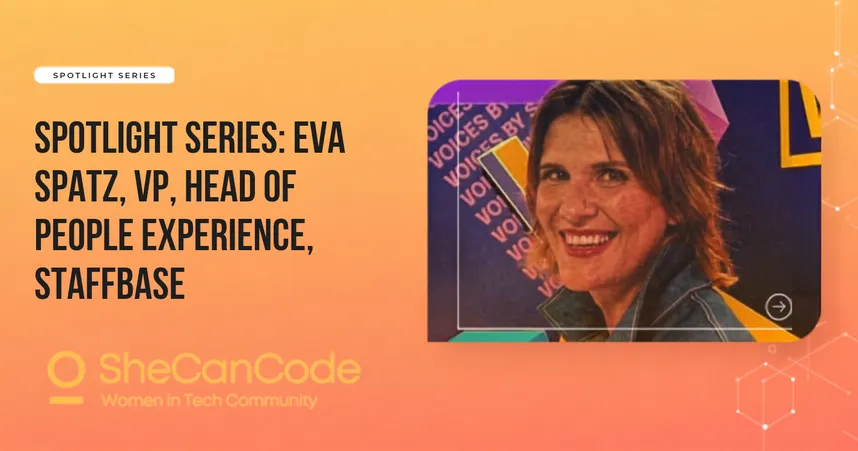
As AI automation sweeps through the enterprise, experts like Fujitsu’s Dippu Singh, Wildix’s Rob Loake, and Staffbase’s Eva Spatz warn that saving time isn’t the same as creating value. True ROI, they argue, depends on how organizations reinvest the minutes AI frees up
The real impact of AI on intranets isn’t replacement — it’s exposing a deeper challenge most organizations haven’t solved.
Hype claims AI agents will collapse the $200 billion SaaS industry, but that misses reality: enterprise software exists to stabilize complex organizational behavior, not just automate tasks. While AI excels at pull (answering questions), strategic workplace systems must push context, align leaders, and establish authority - something an autonomous agent notification cannot do.
In 2026, the focus of World Engineering Day on sustainability offered a useful lens for understanding how strategic innovation can accelerate progress. But sustainability isn’t just a material challenge; it is a communication and workflow challenge. Across the construction and built environment, success relies on how a site engineer, facilities manager, or technician utilises a smart, well-designed system to minimise waste and prevent rework. This drive for efficiency is no longer optional; sustainability targets are now embedded in project delivery and asset management, rather than just corporate ESG reports. Because frontline workers feel the friction of bad processes the most, engineers who design with them in mind are the ones who turn abstract net‑zero ambitions into concrete change.
Every company wants to be an AI company right now. As a People Experience leader, I see the rush firsthand: leaders are racing to deploy copilots, automate workflows, and prove they’re not falling behind. In fact, 83% of IT leaders say workflow automation is essential to digital transformation. But while the C-suite and the media fixate on the technology, a much quieter, more critical shift is happening inside our organizations: middle managers are becoming the primary translators of AI strategy into everyday reality.
The “AI Revolution” is well underway. The tech behemoths are racing to build the infrastructure to enable Artificial General Intelligence. At the same time, there are those companies focusing on the practical application of AI within specific industries.
AI adoption isn't just skyrocketing—it's outpacing trust. Employees don't trust the tools you give them, and they're not waiting around. When they don't trust your sanctioned AI, they simply turn to personal systems (Shadow AI), dragging critical data and knowledge with them.