



Is Narrative Leadership the human antidote to the 2026 visibility gap?


Kinjal Shah in Strategic Narrative
In the current landscape of rapid technological evolution, Australian organisations are facing a critical crossroads. The Executive Priorities for the Next Digital Workplace Era 2026 highlights a profound tension between aggressive digital transformation and the human elements required to sustain it. As leaders grapple with complexity, a new leadership paradigm is required to bridge the widening chasm between executive data and employee reality.
The rise of the data-informed, people-distanced leader
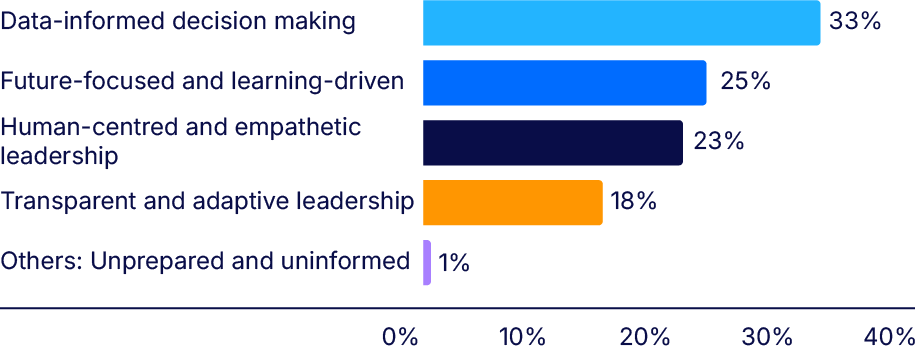
A significant shift in leadership styles is currently underway. Today, 33% of executives prioritise data-informed decision-making above all other approaches. This evidence-based shift reflects the growing influence of AI and analytics in shaping corporate strategy. While this approach is vital for precision and performance, it has inadvertently created a void in the human side of management.
Currently, only 23% of Australian leaders prioritise human-centered and empathetic leadership. This suggests a potential gap in organisational health; while leaders are increasingly focused on what to achieve through data, less attention is being paid to how to lead people through the resulting changes.
As expert Lawrence Goldstone points out, in an era where technical and data-driven tasks are being commoditised by AI, the true competitive advantage for any organization is its human premium — the unique creativity, complex problem-solving, and emotional intelligence of its people.
What is narrative leadership?
Narrative leadership is the strategic practice of using storytelling to bridge the gap between cold corporate data and human meaning. It serves as the essential antidote to the visibility gap currently plaguing Australian boardrooms.
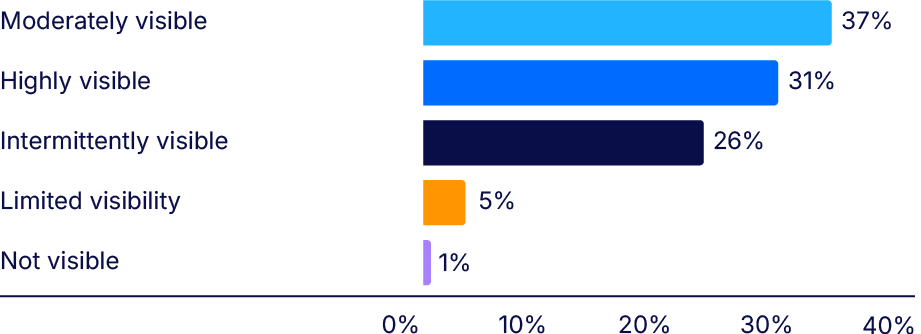
Survey results show that 68% of leaders report having visibility into employee friction only when it escalates into a "major issue". This means early warning signs, smaller inefficiencies, and growing frustrations often go unnoticed. By adopting strategic storytelling and a shared vision, leaders can move beyond being data-informed to being human-aligned.
1. Reducing friction through purpose
Narrative Leadership shifts the conversation from a dry explanation of "What we are doing" to an inspiring vision of "Why it matters". When employees understand the purpose behind a shift, the friction caused by confusion and resistance is significantly reduced.
2. Building trust in an uncertain era
Transparency is a major casualty in the current digital era. Currently, only 18% of leaders prioritise adaptive and transparent leadership. This is a critical failure during times of rapid change. Narrative Leadership demands transparency, using authentic communication to build trust where broadcast-only methods fail.
3. Inspiring innovation and agency
Digital transformation is the number one strategic priority for the next 18 months. However, transformation fails when employees feel like victims of change rather than active participants. Narrative Leadership helps employees see themselves as central characters in the digital journey, empowering them to contribute to innovation rather than fearing it.
The performance multiplier: managing structural change
The stakes for leadership have never been higher. The survey found that Mergers, Acquisitions, and Restructuring are the top concerns keeping leaders awake at night. These high-stress, high-stakes periods are exactly when Narrative Leadership is most essential.
Organisations undergoing major structural changes frequently suffer from productivity dips and talent attrition due to a lack of clarity and trust. Companies that utilise empathetic leadership and storytelling to maintain a consistent corporate narrative are better equipped to handle these transitions. By providing a clear sense of continuity and future direction, Narrative Leadership acts as a performance multiplier — ensuring that even during upheaval, the workforce remains engaged, aligned, and productive.
Key Takeaways for the 2026 Leader:
Close the visibility gap: Move from reactive management to proactive engagement using feedback loops and narrative check-ins.
Prioritise the human premium: Invest in empathetic leadership to unlock creativity and problem-solving that AI cannot replicate.
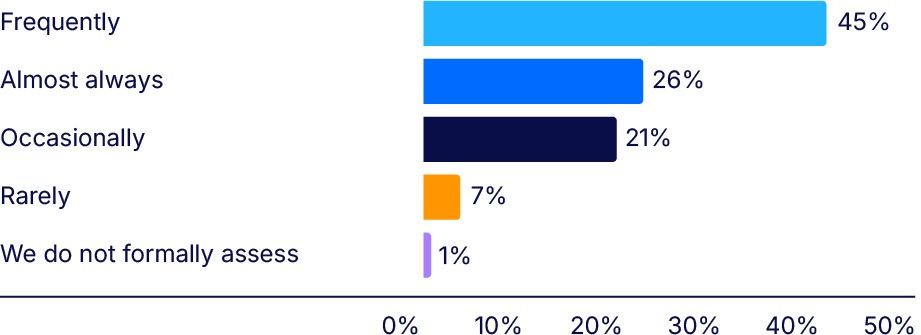
Validate, don't just broadcast: Break the assumption that communication equals understanding; 71% of leaders assume decisions are understood, but only 45% take the time to verify.