




The ASX performance benchmark: 5 key takeaways for Australian organisations


Kinjal Shah in People and Culture
In an era defined by rapid digital transformation and economic volatility, the Executive Priorities for the Next Digital Workplace Era 2026 provides a critical analysis of how Australian organisations, particularly those within the ASX 100, are navigating the intersection of technology and human capital. The findings reveal a strategic paradox: while leaders are obsessed with digital growth, they are systematically under-prioritising the cultural foundations required to achieve it.
The stakes of this disconnect are high. Data-driven leadership is the new standard, but without a corresponding focus on the human premium, organisations risk stalling their own progress.
Here are the top five takeaways from the ASX analysis for Australian leaders in 2026.
1. The 17.2% revenue growth culture bonus
The most compelling data point for the C-Suite in 2026 is the direct correlation between culture and the bottom line. Analysis of the ASX 100 reveals that organisations that exceeded their people and culture targets achieved an average revenue growth of 17.2%. This growth rate is nearly triple the market average.
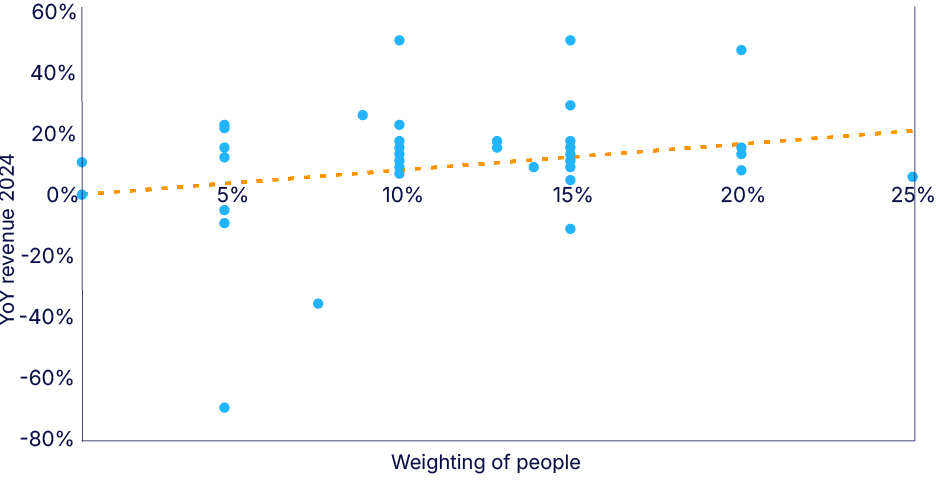
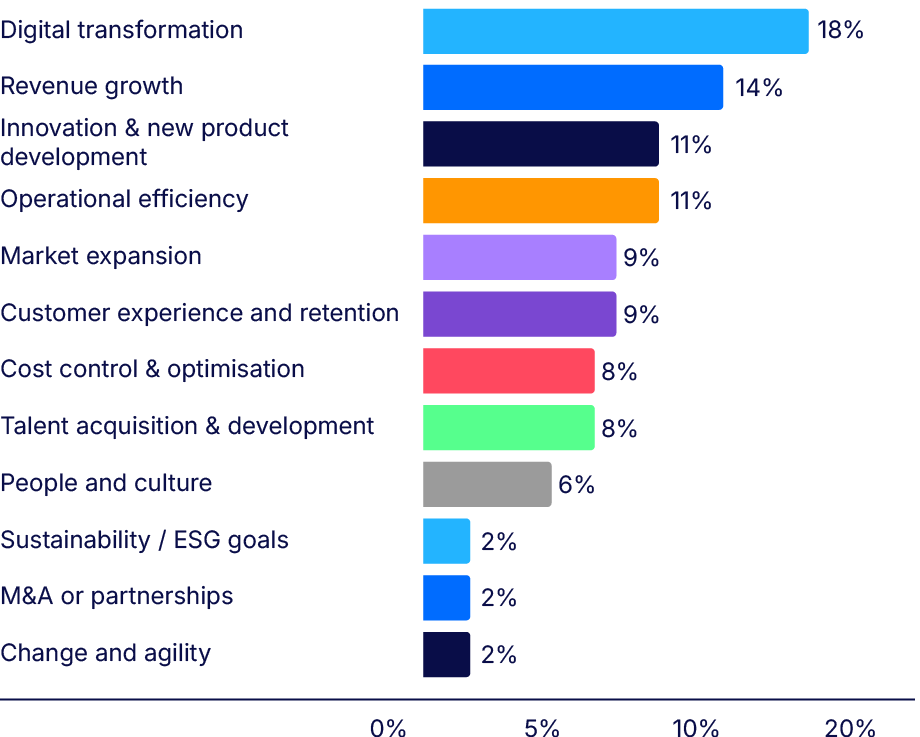
Despite this clear financial evidence, the survey shows that only 6% of leaders currently rank "People and Culture" as a top strategic priority for the next 18 months. This suggests that a significant portion of Australian organisations are leaving revenue on the table by treating culture as a "soft" metric rather than a primary growth driver.
2. The 71% communication assumption
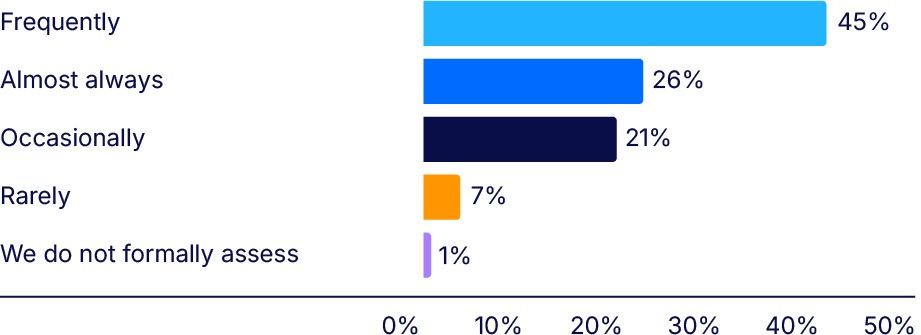
Effective execution relies on organisational alignment, yet the report uncovers a massive broadcast bias within Australian leadership. 71% of leaders assume that their strategic decisions are understood by the workforce simply because they have been communicated.
However, the breakdown of executive behaviour tells a different story:
Only 45% of leaders frequently validate that their messages were understood.
26% almost always consider their job done once the message is sent.
21% only bother to reinforce major initiatives, leaving day-to-day changes in a vacuum.
For ASX-listed organisations, this lack of validation leads to uneven execution and wasted digital spend.
3. The visibility blind spot
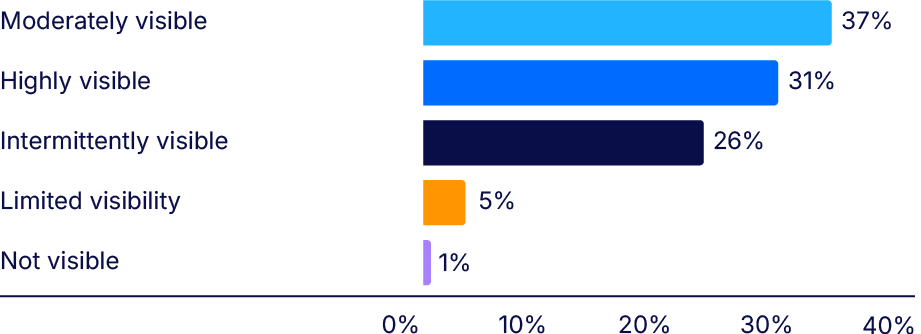
Australian executives are currently operating with a dangerous visibility gap. While 68% of leaders report having moderate to high visibility into employee confusion or friction, this visibility is almost exclusively limited to "major issues".
By the time an issue becomes "major," the damage to productivity and morale is often already done. Only 31% of organisations are currently using real-time data and direct feedback loops to catch "early warning signs". The remaining majority rely on escalation, meaning they are reactive rather than proactive in managing their most valuable asset.
4. Structural blindness in AI governance
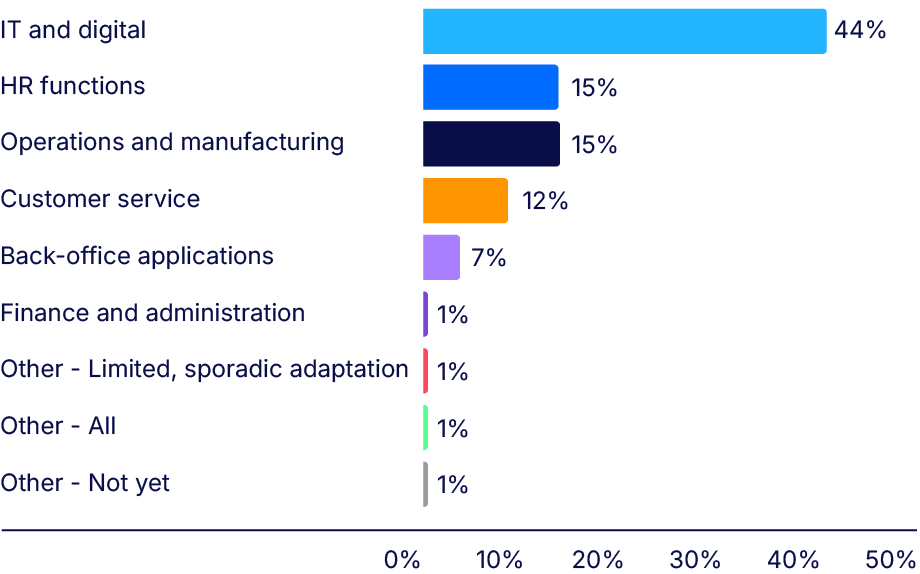
As AI becomes an operational staple — with 44% of adoption currently in IT and digital functions — its governance remains stuck in a technical silo.
48% of organisations treat AI governance as a technical IT function, focusing strictly on controls and compliance.
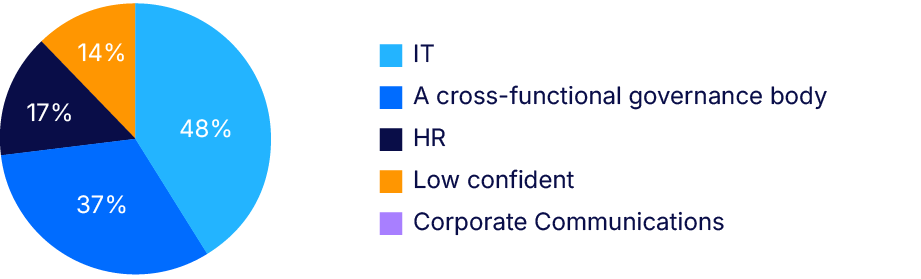
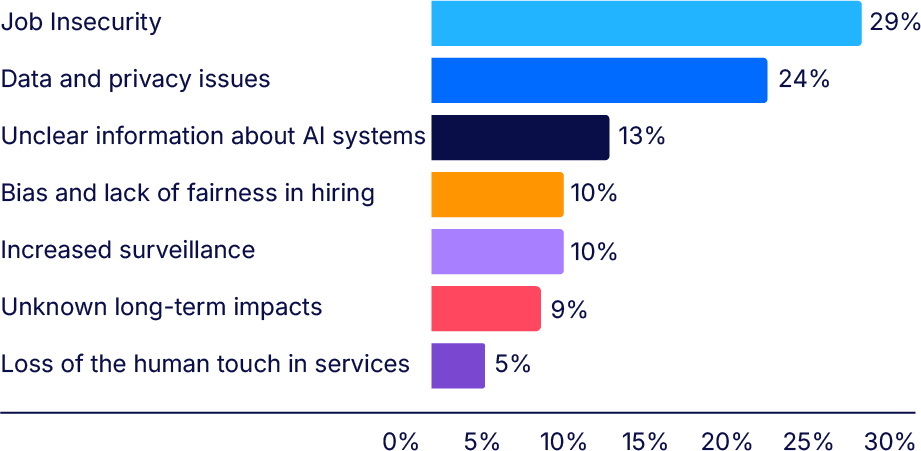
Expert contributor Dr. Suresh Sood identifies this as "structural blindness". When AI is governed by IT alone, the workforce and ethical implications are ignored. This explains why AI is driving efficiency (24%) but having almost zero impact (2%) on workplace culture or employee engagement. Without addressing employee fears regarding job insecurity (29%) and data privacy (25%), the full potential of AI cannot be realized.
5. The need for Narrative Leadership
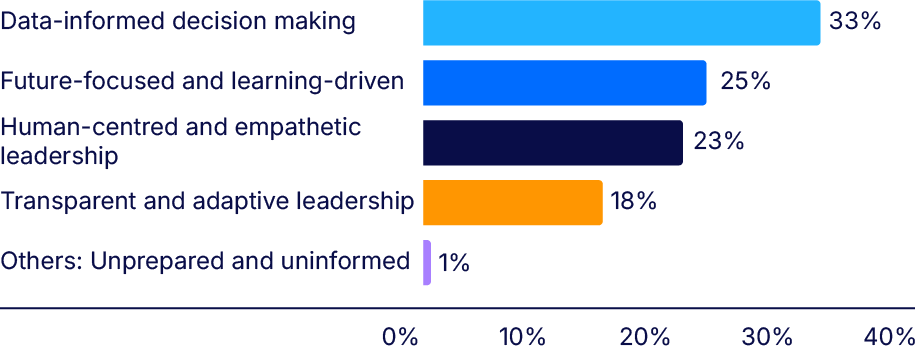
In an era where 33% of leaders are purely "data-informed," the report calls for a return to Narrative Leadership to bridge the gap between corporate data and human meaning. Expert Lawrence Goldstone notes that as technical tasks are commoditized by AI, the true competitive advantage for ASX organisations is the "human premium" — creativity, empathy, and complex problem-solving.
Currently, only 23% of leaders prioritize human-centered leadership. Those who can master Narrative Leadership will be better equipped to manage the mergers, acquisitions, and restructuring that are currently the #1 concern keeping Australian leaders awake at night.
Conclusion: closing the alignment gap
The data is clear: Australian organisations that prioritise the human element of the digital workplace outperform their peers. To succeed in 2026, leaders must move beyond the broadcast mindset, broaden their AI governance, and invest in the cultural alignment that turns a digital strategy into a 17.2% revenue reality.