



5 reasons why Australian leaders are risking digital success by slighting culture in the AI Era


Kinjal Shah in AI
As we navigate the midpoint of the decade, a startling paradox has emerged in Australian boardrooms. According to the Executive Priorities for the Next Digital Workplace Era 2026, while Digital Transformation is cited as the top strategic priority for 18% of leaders, the very foundation required to sustain that change, People and Culture, has plummeted to the bottom of the list. It’s now prioritised by only 6% of executives.
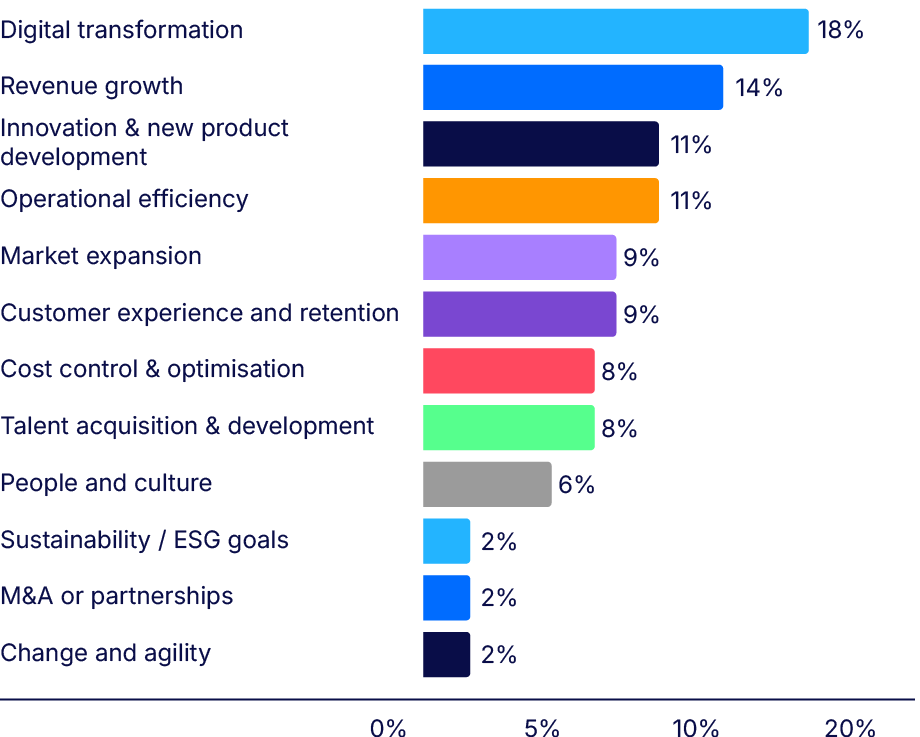
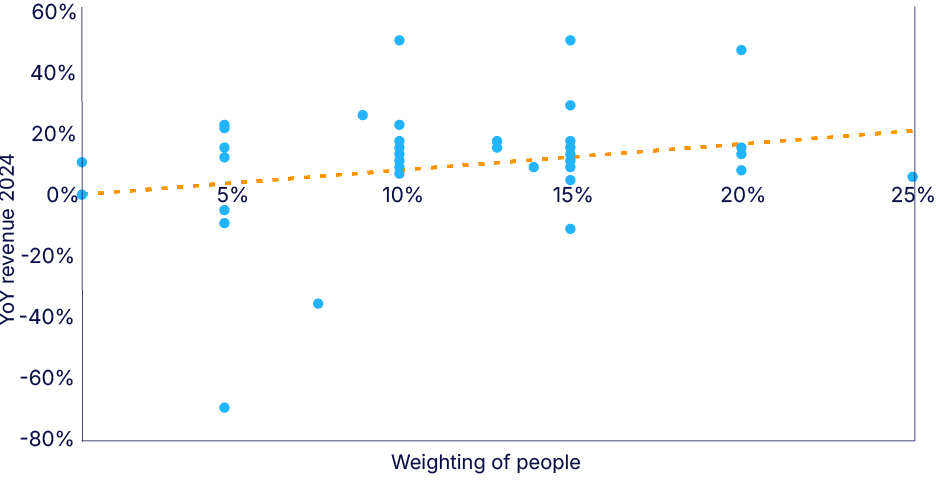
This decoupling of technology from people is more than a cultural oversight; it is a significant financial risk. Historical data from the ASX 100 reveals that firms exceeding their people and culture targets achieved an average revenue growth of 17.2%, nearly triple the market average. Despite this, leaders rank revenue growth (14%) as a high priority while ignoring the human premium that drives it.
The “broadcast bias”: A 71% failure rate in the making
The most alarming finding is the persistence of broadcast leadership. A staggering 71% of leaders operate under the assumption that once a decision is communicated, it is automatically understood by the workforce. However, the data reveals a critical missing link: only 45% of these leaders consistently check for that understanding.
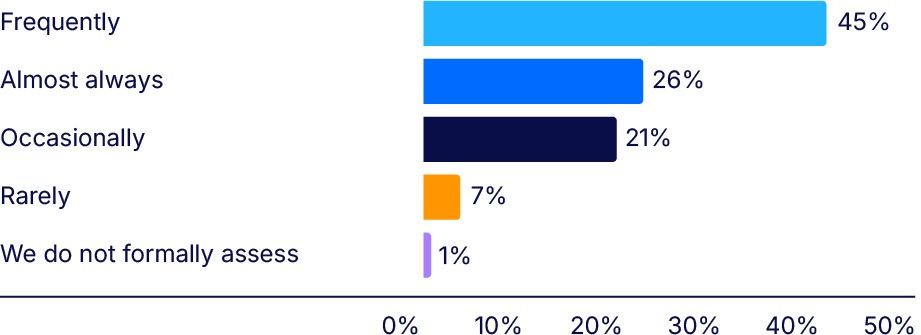
A staggering 71% of leaders operate under the assumption that once a decision is communicated
In a world defined by hybrid and deskless work, sending is not the same as communicating. This broadcast bias leads to uneven alignment, where the frontline operates on assumptions while the C-Suite operates on a false sense of security. To bridge this gap, organisations must move toward verification-based communication, where success is measured by employee comprehension rather than just message distribution.
Visibility blind spots and reactive management
68% of executives report that their visibility into employee friction is limited to major issues that have already escalated. This means that early warning signs, minor inefficiencies, employee frustrations, and process breakdowns go unnoticed until they manifest as high-impact problems.
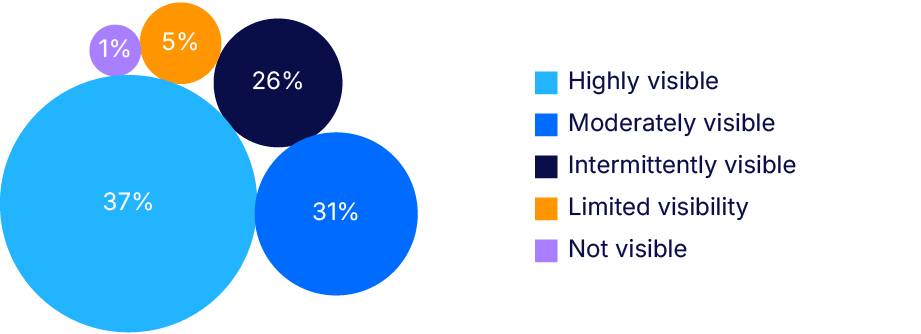
68% of executives report that their visibility into employee friction is limited to major issues that have already escalated
While nearly a third (31%) of leaders use real-time data and feedback loops, the majority still rely on manual escalation. This reactive posture increases the risk of delayed responses, higher costs, and deeper organizational impact.
The AI trust crisis: Governance vs. Human impact
As AI adoption accelerates, reaching 44% in IT and digital functions, governance remains dangerously siloed. Nearly half of organizations (48%) treat AI governance as a strictly technical IT function, focusing on controls and compliance. This technical focus explains why AI is successfully driving operational efficiency (24%) and manual task reduction (19%) but has almost zero impact (2%) on employee engagement or workplace culture.
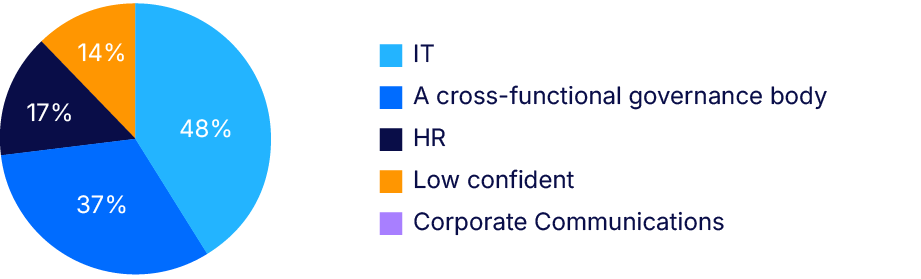
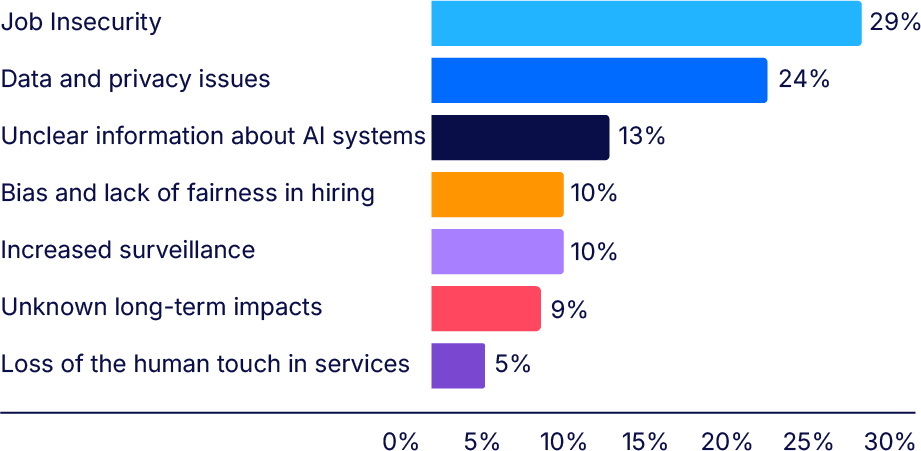
When AI is governed by IT alone, the trust gap widens. Employees report significant anxieties:
Job insecurity: 29% fear role redundancy.
Data privacy: 24% are concerned about surveillance and data usage.
Lack of clarity: 13% feel uneasy because they do not understand how AI works.
Experts like Dr. Suresh Sood warn that this creates structural blindness, meaning decisions are made about automation without visibility into the human lived experience. Without addressing these fears through transparent communication and ethical practices, organisations risk the rise of shadow AI, where employees use unapproved tools that compromise security and compliance.
Experts like Dr. Suresh Sood warn that this creates structural blindness, meaning decisions are made about automation without visibility into the human lived experience.
Narrative leadership: the antidote to disengagement
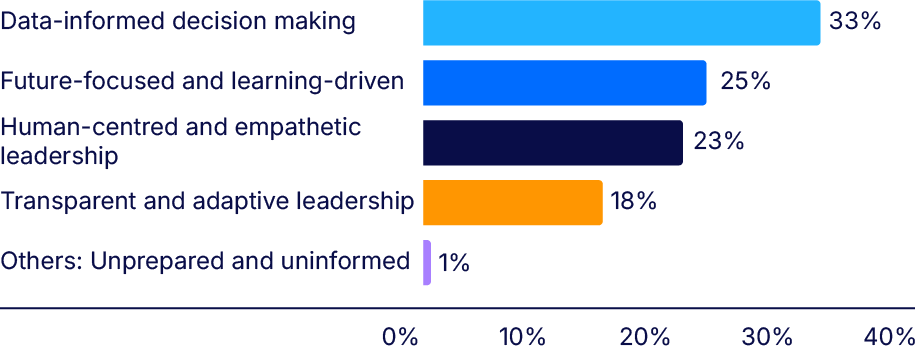
The shift toward data-informed decision-making, prioritised by 33% of leaders, has created a void in human connection. Only 23% of leaders currently prioritize human-centered and empathetic leadership. Expert Lawrence Goldstone points out that as technical tasks are commoditized by AI, the true competitive advantage is the human premium: creativity, problem-solving, and emotional intelligence.
Narrative leadership bridges this gap by moving beyond the broadcast of data to the creation of meaning. By using storytelling to explain the "why" behind structural changes, leaders can reduce friction and build the trust necessary for successful transformation.
Bridging the deskless divide
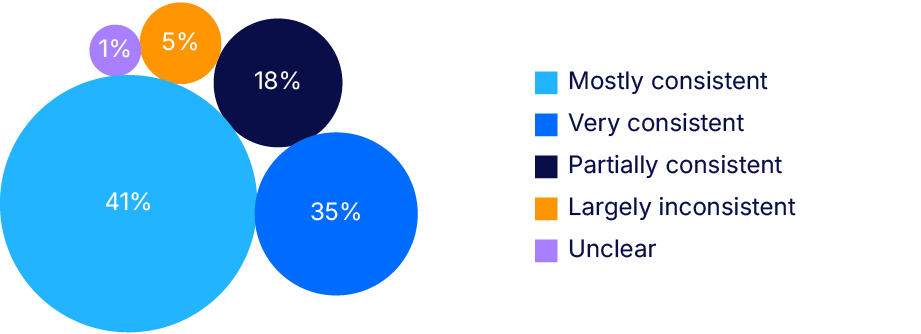
Finally, the 2026 outlook uncovers a significant equity gap. While 41% of organisations claim high consistency in digital experiences, 18% admit to noticeable gaps for frontline and deskless employees. These workers are often the last to receive critical information, leading to lower engagement and operational inefficiencies.
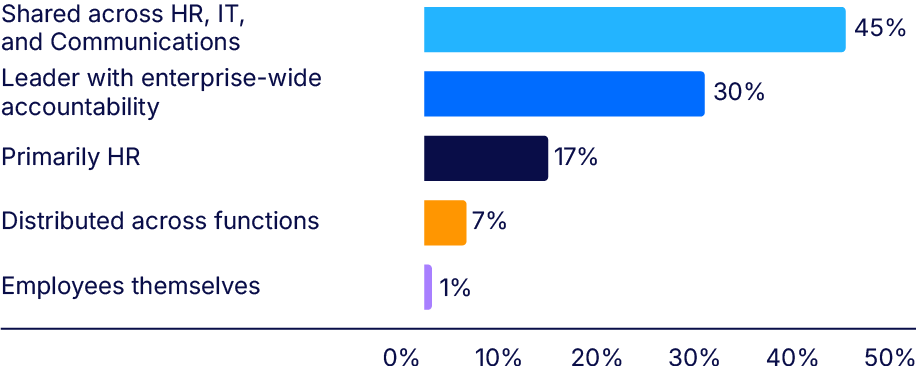
The solution is a shift toward shared ownership of the employee experience across HR, IT, and communications (45%). By breaking down these silos and appointing a single accountable executive (a model used by 30% of high-performing firms), organisations can ensure that one company narrative becomes a reality for every employee, regardless of their location.