


Best employee experience platforms in 2026: the buyer’s map

Melisa Eser in Employee Experience
What are the best employee experience platforms in 2026?
The best employee experience platform in 2026 depends on which part of the employee experience is broken.
If employees miss important updates, frontline workers are hard to reach, people cannot find trusted company information, or employees struggle to access HR services and operational tools in one place, start with a communication, intranet, and employee app platform like Staffbase.
If your biggest problem is employee sentiment, start with listening and analytics tools like Qualtrics EmployeeXM, Culture Amp, or Workday Peakon Employee Voice.
If employees are overwhelmed by HR and IT requests, evaluate service delivery platforms like ServiceNow Employee Center + Moveworks.
If the problem is slow devices, broken apps, poor endpoint performance, or digital friction, look at IT-led Digital Employee Experience Management tools like Nexthink, ControlUp, or Riverbed Aternity.
The mistake is treating “employee experience platform” as one category. In 2026, it’s really several markets using the same language.
That’s why this guide does not rank every vendor as if they solved the same problem. Instead, it maps the best employee experience platforms by what they actually do, so you can choose the right platform for the employee experience layer you need to fix.
Use case | Best-fit platform | Category |
|---|---|---|
AI-ready employee communication, frontline reach, trusted company knowledge | Staffbase | Communication, intranet, employee app, AI-ready knowledge |
Microsoft 365–based employee experience | Microsoft Viva | Microsoft employee experience layer |
Modern intranet-led employee experience | Simpplr | Intranet and employee hub |
AI-powered employee hub and digital workplace | LumApps | Employee hub and digital workplace |
Highly configurable enterprise intranet | Unily | Enterprise intranet |
Social culture and employee community | Workvivo by Zoom | Social employee experience |
Workforce communication orchestration | Firstup | Employee communications |
Frontline employee app use cases | Blink | Frontline EX |
Employee service delivery and AI support | ServiceNow Employee Center + Moveworks | Service delivery |
Employee listening and EX analytics | Qualtrics EmployeeXM | Listening and people analytics |
Engagement, performance, and development | Culture Amp | HR employee experience |
Recognition and appreciation | Workhuman | Recognition and culture |
Performance-led employee experience | Lattice | Performance and people management |
IT-led Digital Employee Experience Management | Nexthink | IT DEX management |
What is an employee experience platform?
An employee experience platform is software that helps organizations improve how employees communicate, access information, use services, and feel connected at work. The category covers everything from intranets and employee apps to listening tools, recognition platforms, and AI assistants — which is why most buying guides compare tools that don’t actually solve the same problem.
The best EXP depends on which layer of your employee experience is broken. There are three, and they solve different problems for different owners. Choosing the wrong one doesn’t just waste budget — it creates a gap the other layers can’t fill.
EXP category | What it solves | Choose if… | What it cannot replace |
|---|---|---|---|
Communication & Reach | Employees can’t find information, the frontline is unreachable, and there’s no reliable foundation for AI | You have frontline workers, fragmented channels, or AI ambitions that need clean, governed data | Engagement measurement or HR process management |
Engagement & Listening | Employees feel disengaged, no pulse on sentiment, recognition gaps | You already have a reliable communication foundation | A communication channel — data without reach changes nothing |
HR Systems of Record | Process administration, payroll, onboarding, compliance | You need structured HR data management | Neither a communication platform nor an engagement tool |
Why are older employee experience platform lists outdated?
The best employee experience platforms in 2026 are not the same platforms that ranked two or three years ago. Three shifts have made the old lists unreliable.
AI governance became a deciding factor. Older lists were written before AI assistants became a standard part of enterprise software. That matters because AI does not create trustworthy answers — it amplifies whatever information sits underneath it. Platforms built on ungoverned, outdated, or contradictory content now produce AI answers that sound authoritative but reference policies from two years ago. Deloitte’s 2025 TrustID Index found that trust in company-provided generative AI dropped 31% between May and July of 2025 alone. One wrong answer weakens trust. A pattern of wrong answers ends adoption entirely. Any EXP list that does not evaluate AI governance as a primary criterion is not a 2026 list.
The frontline majority can no longer be treated as an edge case. Microsoft estimates frontline workers represent roughly 80% of the global workforce. BCG puts deskless workers at 70–80% globally. Most EXP software published before 2024 was designed for the other 20% — employees with corporate email, laptops, and daily access to Microsoft Teams. A platform that cannot reach employees without corporate email, on personal devices, in public app stores, or through offline-capable mobile apps is missing the majority of the world’s workers.
Buyers are consolidating, not expanding. The expectation has shifted. Organizations are not looking to add another point solution to an already fragmented stack. They want fewer tools, cleaner governance, and a single layer that connects what they already have. Platforms that required separate products for intranet, employee app, email, and AI assistant have become harder to justify.
The practical result: any list that does not evaluate AI governance, genuine frontline reach, and consolidation potential is ranking platforms against 2022 criteria in a 2026 market.
Why most employee experience platform lists lead buyers to the wrong decision
Most employee experience platform comparisons flatten the category. They put intranets, employee apps, survey tools, HR systems, recognition platforms, service portals, and IT monitoring tools into one list — as if they solve the same problem. The result is lists that compare tools solving completely different problems, and buyers who choose the wrong layer entirely.
A company might buy a recognition tool when the real problem is that employees never see leadership updates. Another might invest in employee listening software when the actual issue is that no one can find the right safety policy at 6 a.m. on a factory floor. Another might expand Microsoft Viva without asking whether frontline workers are actually in Teams.
When buyers choose the wrong layer, the consequences are predictable:
Recognition without reach: Engagement scores don’t improve when employees still can’t find the answer they need.
Listening without infrastructure: AI assistants don’t become trustworthy when the underlying knowledge is outdated.
Service delivery without communication: HR tickets don’t disappear if employees don’t know where to ask for help.
The most important move is not choosing a vendor first. It is identifying which layer of your employee experience is broken.
Start here: which employee experience layer is broken?
What employees actually say | What is probably broken | Best platform category | Vendors to evaluate |
|---|---|---|---|
“I never saw that update.” | Reach | Employee communication platform | Staffbase, Firstup, Workvivo, Haiilo, Blink |
“I can’t find the right answer.” | Knowledge | Intranet, knowledge hub, or AI answer layer | Staffbase, Simpplr, LumApps, Unily, Happeo, and Microsoft Viva |
“I don’t know where to request help.” | Service access | Employee service delivery platform | ServiceNow Employee Center + Moveworks, monday service, Zendesk, and Jira Service Management |
“Nobody knows how employees really feel.” | Listening | Employee listening platform | Qualtrics EmployeeXM, Culture Amp, Workday Peakon, Medallia |
“Good work is invisible.” | Recognition | Recognition and culture platform | Workhuman, Awardco, WorkTango, and Bonusly |
“Goals, feedback, and growth are unclear.” | Performance and development | Performance management platform | Lattice, Leapsome, Betterworks, and 15Five |
“My tools are slow, broken, or frustrating.” | Technology experience | IT Digital Employee Experience Management | Nexthink, ControlUp, Riverbed Aternity, Lakeside, and HP Workforce Experience Platform |
The best employee experience platform is the one built for the layer that is actually broken.
If you can’t identify the layer yet, start with reach and trusted knowledge. Every other employee experience investment depends on employees being able to receive information, find information, and trust what they find.
The best employee experience platforms in 2026
1. Staffbase
Best for: Large, distributed, frontline-heavy, multilingual, or transformation-heavy organizations that need one governed platform to reach every employee from the corporate office to the factory floor.
Category: Employee communication, intranet, employee app, AI-ready knowledge
Primary buyers: Internal Communications, HR, IT, Operations, leadership
Not ideal for: Payroll, performance reviews, rewards catalogs, or IT endpoint monitoring as the primary use case
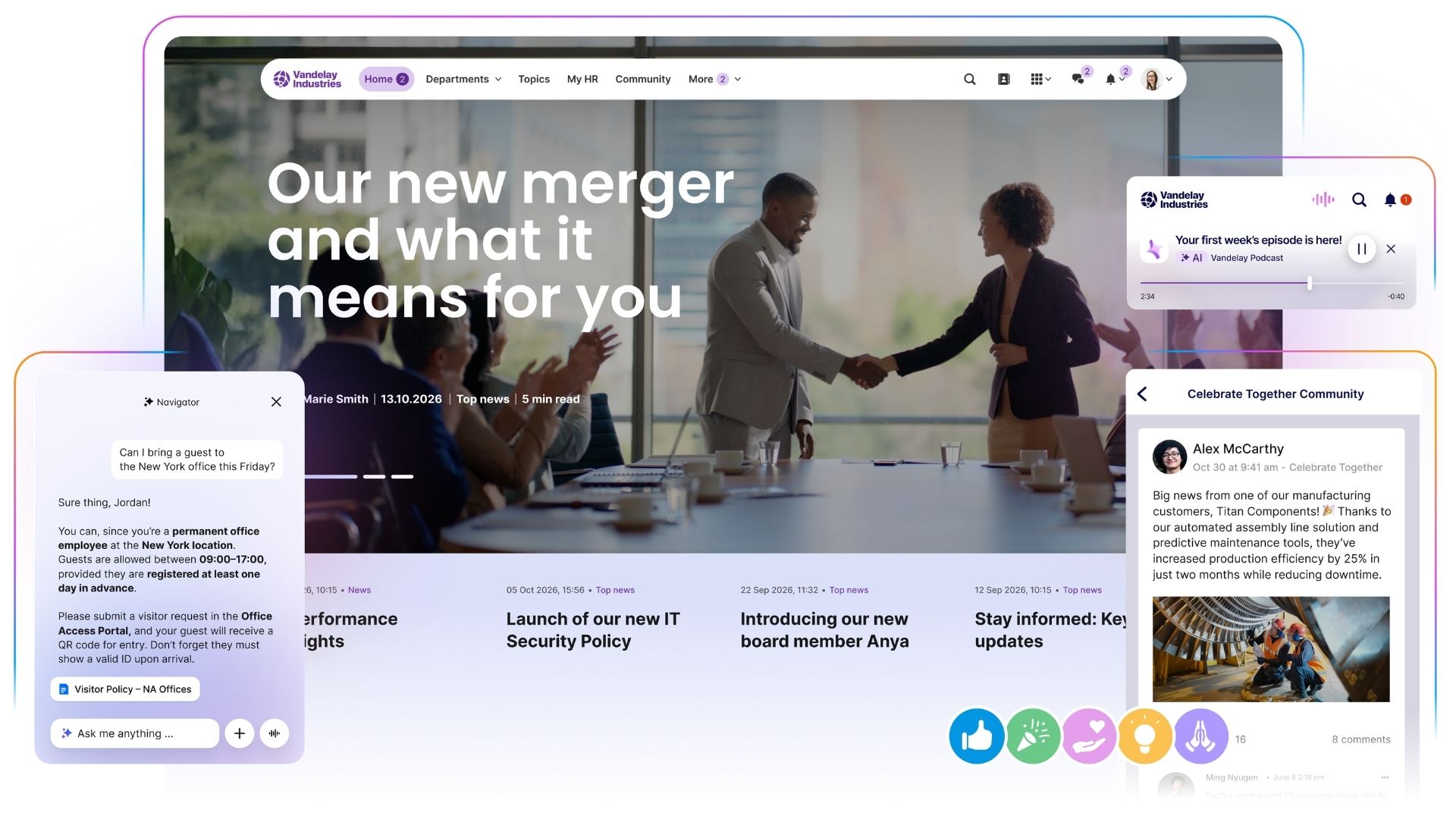
Staffbase is an AI-native employee experience platform that connects communications, knowledge, and action across every channel. It was built around a problem most enterprise software treats as secondary: that the majority of the global workforce doesn’t sit at a desk. That foundation has since expanded into the governance and AI layer that makes enterprise communication trustworthy at scale.
What Staffbase does well
Staffbase operates from a single source of truth. Content created once is targeted and delivered across intranet, employee app, email, SMS, and digital signage without duplication or inconsistency across channels. For organizations with a distributed workforce, this matters because it’s the only reliable way to ensure every employee receives the same accurate, relevant information regardless of role, device, or location.
The governance layer is what makes AI accurate in practice. Every piece of content in Staffbase has an owner, a purpose, and an expiration workflow, which means the underlying data stays current without manual audits. When employees ask questions through Navigator, the AI assistant, answers are drawn from verified content scoped to the right source for that employee’s role and location. The AI Quality Layer applies organizational voice and context before any answer reaches an employee — the difference between an answer that sounds right and one that is right.
That difference can be checked. Navigator answers cite their sources, whether that’s an intranet policy page or a connected system like Workday or Confluence. When a Navigator Expert answers, its name appears on the response too. Employees and auditors can see exactly where an answer came from, instead of relying on how confident it sounds.
The personalization layer goes beyond algorithmic recommendations. Every employee’s experience is scoped to their role, location, and organizational context — so a factory worker in a regional hub sees a different, relevant version of the platform than a corporate employee at headquarters, without requiring separate instances or manual segmentation. This structural personalization is what distinguishes reliable employee experience from social feed logic that guesses at relevance.
Enterprise integrations are deep and bidirectional. Staffbase is a certified Microsoft Build Partner with native integrations across Teams, SharePoint, and Azure AD — available on the Microsoft Azure Marketplace and eligible for MACC credits. Native connections to ServiceNow, Workday, SAP, and Cornerstone surface the systems employees already use inside a single experience. Through Navigator, employees can also act in those systems, not just see them: They can request time off in Workday or raise a Jira ticket in the same conversation, always as themselves and within their own permissions.
Outcome analytics close the loop. Smart Impact measures reach, visibility, sentiment, and alignment across every channel in a single view — not per-channel open rates that require manual reconciliation. IC leaders can demonstrate whether a communication achieved its intended business outcome, not just report that it was sent. This matters particularly for organizations expected to report communications ROI to leadership.
Frontline reach is native, not bolted on. Staffbase’s employee app is fully branded and available in public app stores — no corporate email address required — with offline access, push notifications, digital signage, and kiosk support. The majority of competitors either lack this reach entirely or treat it as a separate product. Employees who never sit at a desk are first-class citizens of the platform, not an afterthought addressed by a fixed terminal.
Staffbase also gives organizations the tools to create the human-led moments that no AI layer can replace: the local community spaces, leadership visibility, and shared experiences that help employees feel genuinely connected to their workplace, not just informed by it.
Where Staffbase is not the best fit
Staffbase is built for enterprise scale, which means it can be more than smaller organizations need. A company with fewer than 300 employees, no frontline workforce, and low communication complexity may be better served by optimizing existing tools. Staffbase is also not trying to replace Workday, SAP SuccessFactors, ServiceNow, Lattice, Workhuman, or Nexthink. It should sit alongside those systems as the trusted communication and knowledge layer.
Who should choose Staffbase
Organizations with a distributed or frontline-heavy workforce that need multichannel reach, AI-ready governance, and a single source of truth in one platform — particularly those with an AI strategy that requires clean, governed data to work reliably. Good signal: employees are asking the same questions repeatedly, frontline teams are missing updates, content is duplicated across channels, or leadership lacks one trusted way to connect the organization through change.
Customer example: Transdev
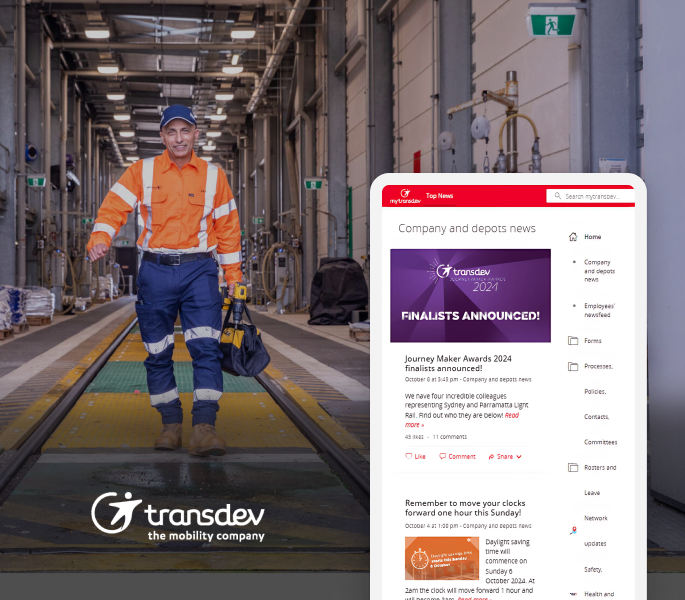
Transdev Australia needed to connect 6,900 employees across multiple locations, many of them frontline workers without regular access to email. With Staffbase, Transdev achieved an 85% employee engagement rate, 89% satisfaction with the platform, and engagement 30% higher than the industry average — not just a nicer intranet, but a direct line to frontline teams for safety updates, operational changes, and leadership communication.
“These metrics help our senior leadership team stay connected with what matters most to our frontline employees, ensuring evidence-based decisions that align with their needs.” — Cameron Whalan, Stakeholder Engagement Manager, Transdev ANZ
Ratings and reviews
Independent analyst recognition
In the ClearBox Intranet & EX Platforms Report 2026 — the most comprehensive independent analyst evaluation of its kind, covering 21 platforms across 946 pages — Staffbase received three ClearBox CHOICE 2026 badges:
Top 5 Score — one of the five highest-scoring platforms across all eight evaluation scenarios in the entire report
Comms Excellence — awarded to only three platforms in the market for outstanding performance in communications management, multi-channel publishing, campaign management, and communications analytics
Frontline & Mobile Focus — awarded exclusively to Staffbase among the top-tier platforms; Interact and Unily, the other top-5 scorers, do not hold this badge
Staffbase scores 4.5 out of 5 in both Employee Experience and Communications Management (ClearBox 2026), and 4.5 out of 5 in Mobile & Frontline Support — outperforming Unily (3.5) and Interact (4.0) on the scenario that determines whether frontline workers can actually use the platform. ClearBox describes Staffbase’s mobile environment as “excellent” and notes the white-labelled app is included as standard in pricing, which it explicitly flags as differentiating.
No other top-5 scoring platform in the ClearBox 2026 report holds both Comms Excellence and Frontline & Mobile Focus. That combination — strong for communicators, strong for the frontline — is the market position no single competitor holds simultaneously at Staffbase’s score level.
Source: ClearBox Consulting, Intranet and Employee Experience Platforms, V5.1, May 2026, clearbox.co.uk. ClearBox states explicitly that no vendor has paid to be awarded a badge.
2. Microsoft Viva
Best for: Organizations deeply invested in Microsoft 365 and Teams
Category: Microsoft employee experience layer
Primary buyers: IT, Digital Workplace, HR, Internal Communications
Not ideal for: Organizations where frontline reach, no-email access, or communication governance beyond Microsoft is the primary problem
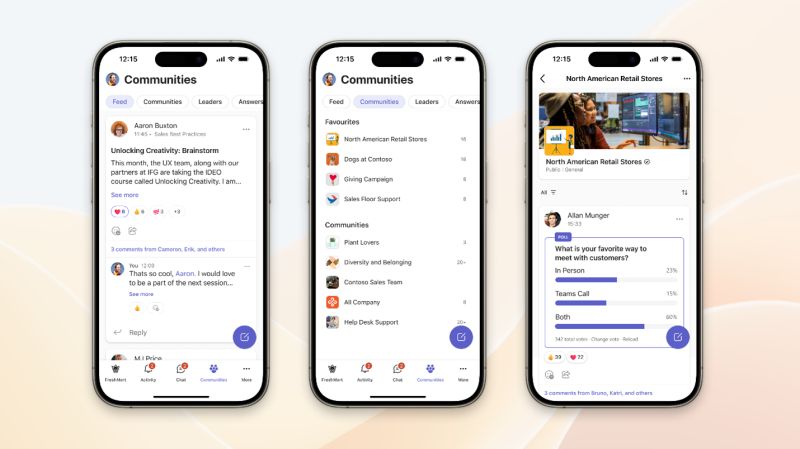
Microsoft Viva is Microsoft’s employee experience platform built into Microsoft 365 and Teams. Microsoft describes Viva as an integrated employee experience platform that supports connection, insight, purpose, and growth using existing Microsoft infrastructure.
Viva is especially attractive for organizations where Microsoft 365 is already the central digital workplace. It can bring employee communications, communities, workplace analytics, feedback, learning, and knowledge management closer to the flow of work inside Teams and Microsoft apps.
What Microsoft Viva does well
Viva works well for desk-based employees who already live in Teams, Outlook, SharePoint, and Microsoft 365. It reduces the need to introduce a completely separate employee destination and fits naturally into IT-led Microsoft strategies.
Where Microsoft Viva is weaker
Viva is less straightforward when organizations need one cohesive communication layer for every employee, especially when a significant portion of the workforce does not have corporate email, Microsoft licenses, or daily Teams access. It can also become modular and complex, depending on which Viva components are licensed and how they are governed.
Who should choose Microsoft Viva
Choose Microsoft Viva if your workforce is mostly desk-based, Microsoft 365 adoption is already high, IT owns the employee experience strategy, and the goal is to improve the Microsoft-centered employee experience rather than create a separate all-employee communication layer.
For frontline-heavy organizations, Viva often works best alongside a dedicated platform built for broader reach.
Ratings and reviews
3. Simpplr
Best for: Desk-based organizations that want a modern, AI-powered intranet
Category: Intranet and employee hub
Primary buyers: Internal Communications, HR, Digital Workplace
Not ideal for: Organizations whose biggest problem is hard-to-reach frontline employees
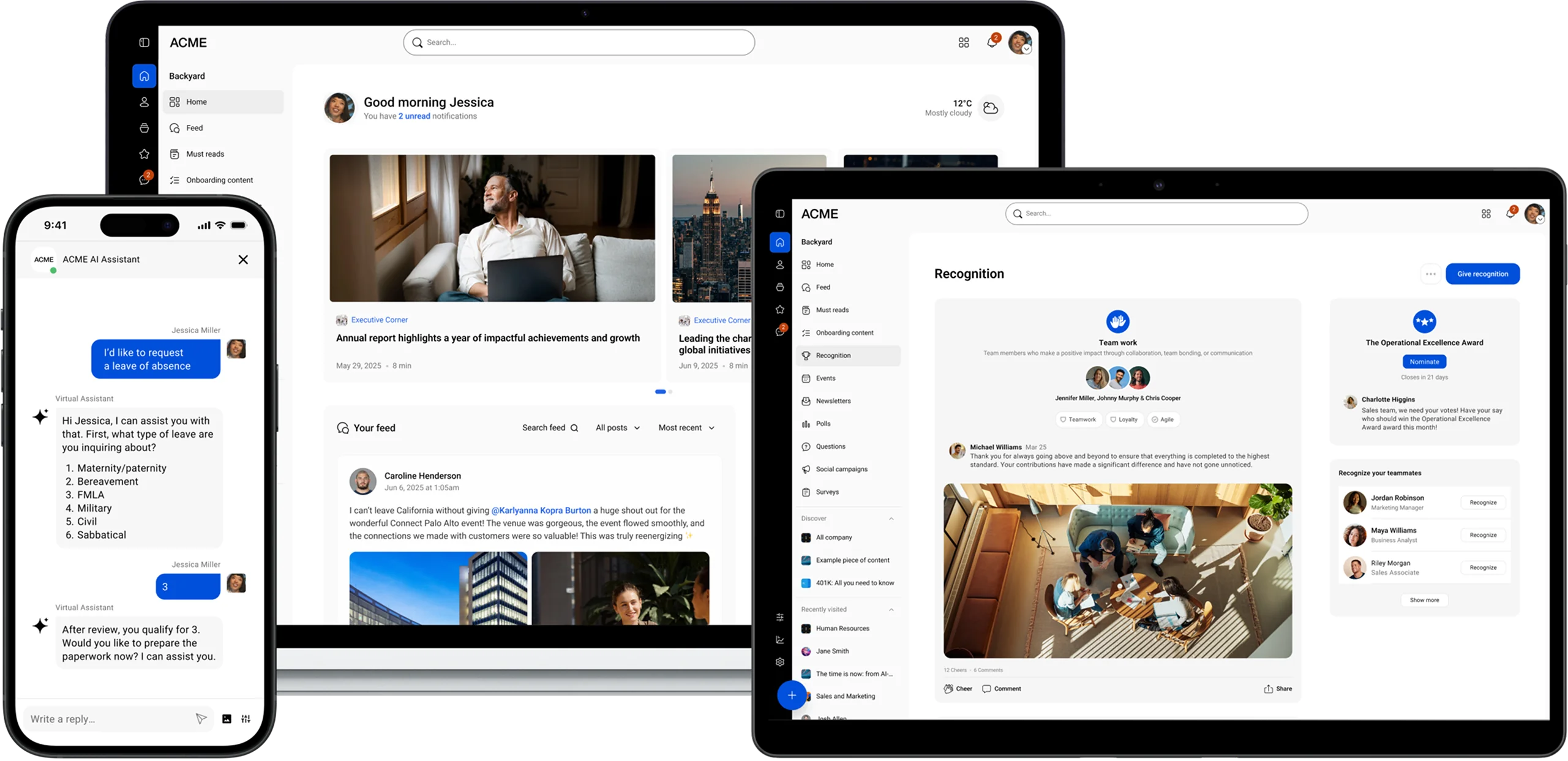
Simpplr positions itself as an AI intranet and employee experience platform designed to transform employee communications, experience, newsletters, campaigns, and everyday work. Its platform messaging emphasizes AI, personalization, employee communications, engagement, and secure governed systems.
What Simpplr does well
Simpplr is strong for organizations replacing outdated intranets with a more intuitive, AI-powered employee hub. It’s a good fit where employees need better search, personalization, access to resources, and a more modern digital workplace experience.
Where Simpplr is weaker
Simpplr is less suited if the central challenge is reaching employees who do not use a desktop, do not open corporate email, or need a highly mobile-first frontline experience. It may also not be the strongest choice when multichannel communication governance is the main priority.
Who should choose Simpplr
Choose Simpplr if your employee experience challenge is primarily a knowledge-worker intranet problem: outdated SharePoint, poor findability, low intranet engagement, and the need for a more personalized AI-powered hub.
Ratings and reviews
4. LumApps
Best for: Organizations that want a broad AI employee hub connecting people, tools, agents, and knowledge
Category: Employee hub and digital workplace
Primary buyers: Digital Workplace, IT, HR, Communications
Not ideal for: Teams that need a simpler, faster communication-first deployment
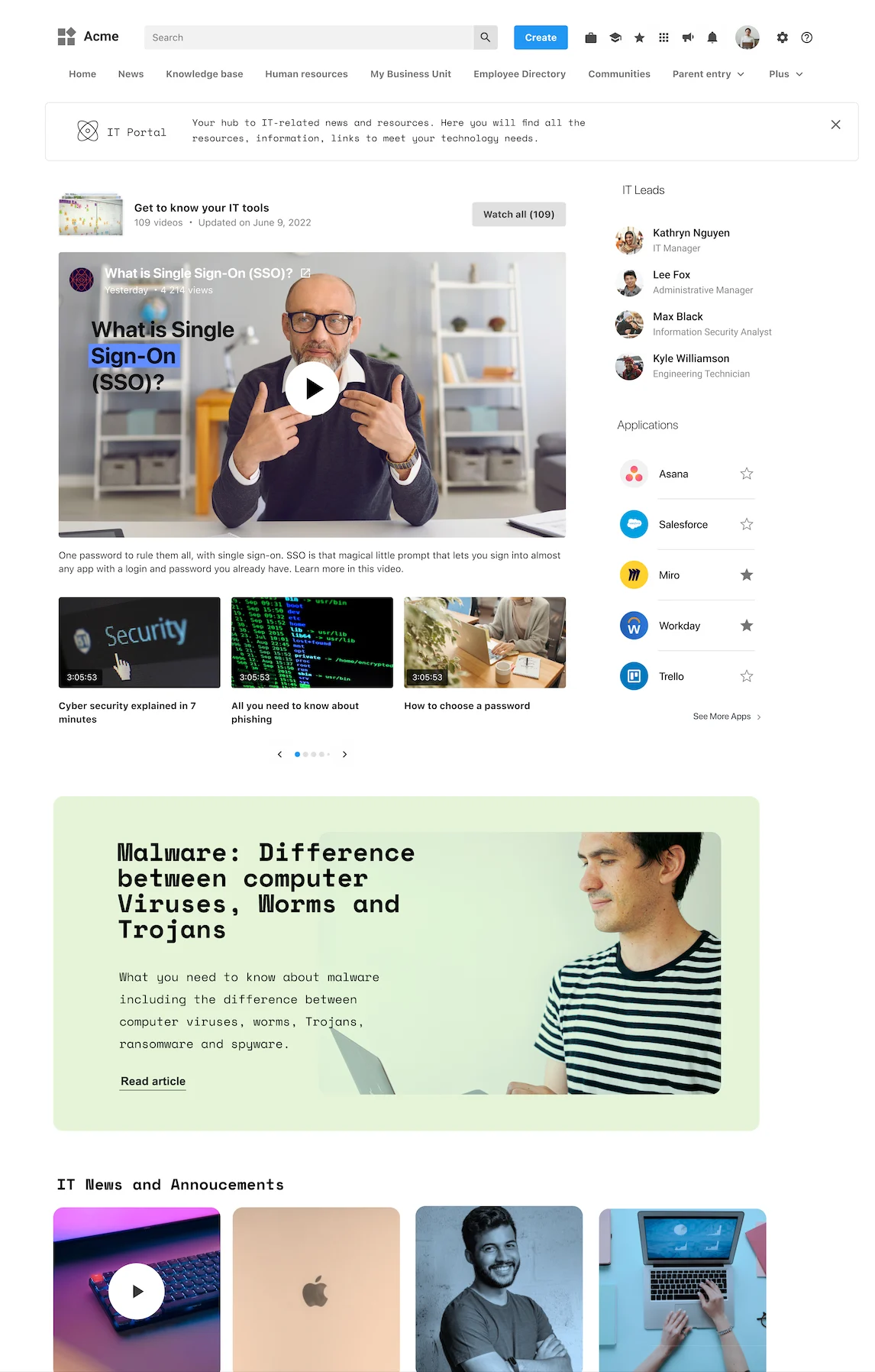
LumApps positions itself as an AI Employee Hub where work comes together, connecting people, tools, AI agents, and knowledge across the employee experience. Its platform messaging emphasizes a connected hub for employees, tools, AI agents, and knowledge.
What LumApps does well
LumApps is strong when organizations want a broad digital workplace hub with many integrations, employee services, communications, and AI capabilities. It’s especially relevant for companies trying to consolidate several employee-facing use cases into one hub.
Where LumApps is weaker
The breadth can also create complexity. Buyers should evaluate implementation effort, governance model, mobile-first requirements, and whether the platform is deep enough in strategic communication for their needs.
Who should choose LumApps
Choose LumApps if your organization wants a flexible AI employee hub and has the IT and digital workplace resources to configure and govern a broader employee destination.
Ratings and reviews
5. Unily
Best for: Large enterprises that want a highly configurable, visually rich enterprise intranet
Category: Enterprise intranet
Primary buyers: Digital Workplace, IT, Internal Communications
Not ideal for: Organizations that need fast time-to-value or simple frontline-first communication
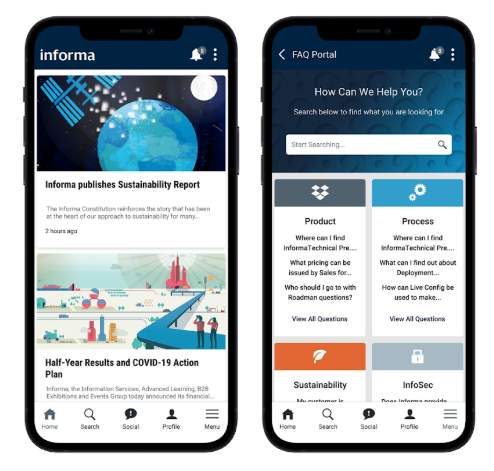
Unily positions itself as an enterprise employee experience platform built on 20 years of expertise, with a focus on reducing workday friction and creating experiences for large organizations.
What Unily does well
Unily is strong for organizations that want a deeply branded, customized intranet experience and have the resources to support a more complex digital workplace implementation.
Where Unily is weaker
Highly configurable platforms can require more time, IT involvement, implementation support, and long-term governance. Buyers should evaluate total cost of ownership and how quickly non-technical teams can operate the platform independently.
Who should choose Unily
Choose Unily if your organization wants a strategic, highly customized enterprise intranet and has the budget, governance model, and implementation capacity to support it.
Ratings and reviews
6. Firstup
Best for: Large enterprises focused on orchestrating employee communication campaigns
Category: Employee communications
Primary buyers: Internal Communications, Employee Engagement, HR
Not ideal for: Organizations looking for a broad employee destination or deep intranet-first knowledge hub
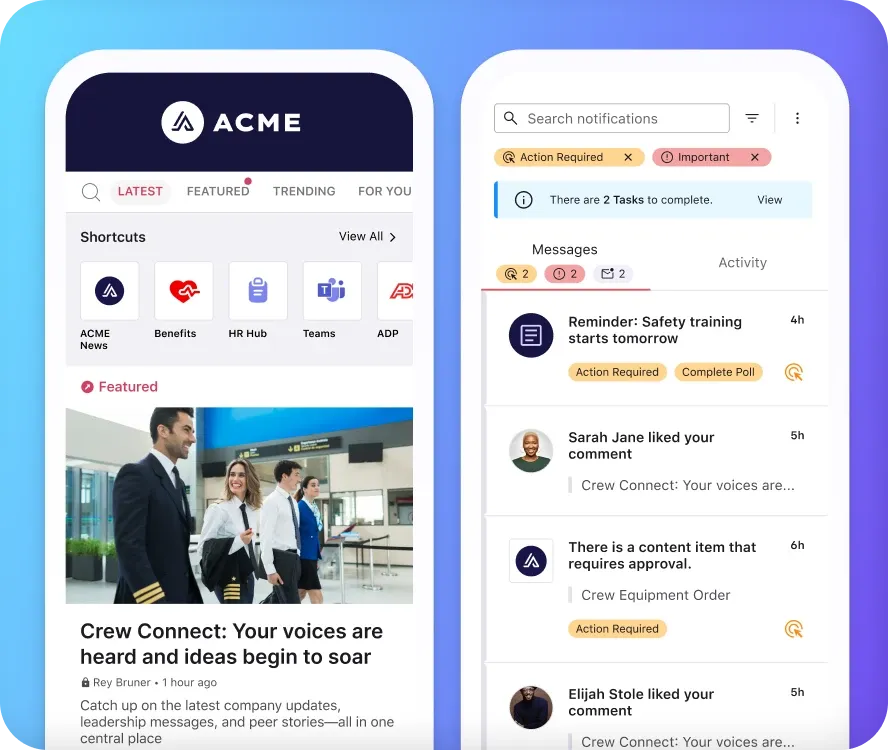
Firstup describes itself as an intelligent communication platform to reach every employee, engage every audience, and prove communication impact. Its platform includes employee app, intranet, email, and other channels for communication delivery.
What Firstup does well
Firstup is strong in communication orchestration: targeting, timing, campaigns, audience delivery, and measurement. It fits mature communications teams that think in terms of campaigns and audience outcomes.
Where Firstup is weaker
Firstup is less suited if the goal is to build a full employee front door with deep knowledge management, intranet governance, service access, and broad employee experience use cases.
Who should choose Firstup
Choose Firstup if your internal communications function is mature and the main need is better orchestration, targeting, and measurement across communication channels.
Ratings and reviews
7. Workvivo by Zoom
Best for: Culture, community, and social engagement
Category: Social employee experience
Primary buyers: HR, Internal Communications, Culture, Employee Engagement
Not ideal for: Organizations whose main problem is governed company knowledge or critical operational communication
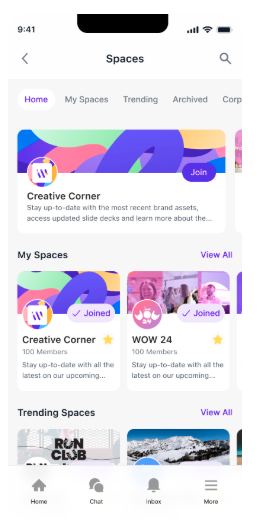
Workvivo by Zoom is an employee experience platform focused on internal communication, engagement, employee voice, and culture. Zoom describes Workvivo as an EXP that simplifies internal communication and drives engagement, helping bring company culture to life digitally.
What Workvivo does well
Workvivo is strong when organizations want a more social, community-oriented experience. Activity feeds, recognition, employee voice, and peer connection are central to the product experience.
Where Workvivo is weaker
A social-first platform is not always the best fit for critical communication governance, operational updates, complex audience segmentation, or AI-ready source-of-truth management.
Who should choose Workvivo
Choose Workvivo if your primary goal is to strengthen culture, social connection, community, and belonging across a distributed workforce.
Ratings and reviews
8. Blink
Best for: Frontline and deskless employee app use cases
Category: Frontline employee experience
Primary buyers: Operations, HR, Internal Communications
Not ideal for: Large enterprises that need deep communication governance and complex multichannel orchestration
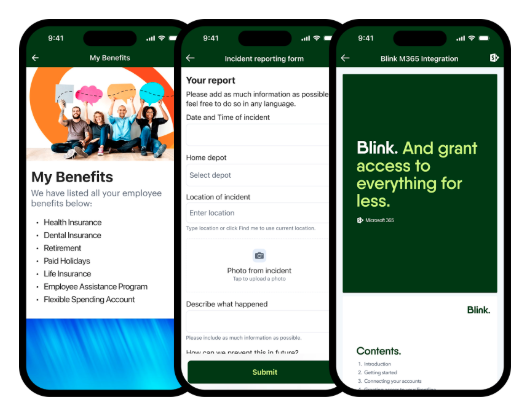
Blink is a frontline-focused employee experience platform built around mobile access for deskless workers. It emphasizes frontline communication and practical employee access to everyday tools and information.
What Blink does well
Blink is strong when organizations need a straightforward mobile app for shift-based, deskless, or distributed workers. It’s practical, accessible, and focused on the frontline.
Where Blink is weaker
Blink may not provide the same depth of enterprise governance, multichannel orchestration, intranet complexity, or AI-ready content management as platforms built for large global enterprises.
Who should choose Blink
Choose Blink if you need a practical frontline app and your primary requirement is mobile-first connection for deskless teams rather than a full enterprise communication and knowledge platform.
Ratings and reviews
9. ServiceNow Employee Center + Moveworks
Best for: Employee service delivery and AI support
Category: Service delivery
Primary buyers: IT, HR Service Delivery, Enterprise Service Management
Not ideal for: Proactive leadership communication, frontline reach, or strategic employee communication as the primary use case
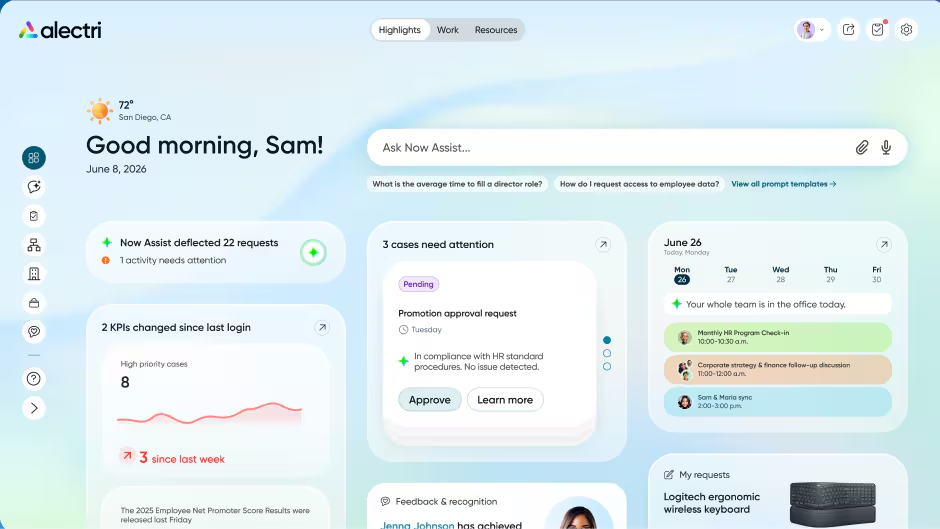
ServiceNow Employee Center is built for employee service delivery. ServiceNow describes Employee Center as a consolidated portal for AI search, targeted campaigns, and an app launcher to keep employees engaged, productive, and informed.
The category changed significantly when ServiceNow completed its acquisition of Moveworks on December 15, 2025. ServiceNow described the combined platform’s strengths in agentic AI, workflows, and enterprise search as creating an AI-powered front door for employee engagement.
What ServiceNow + Moveworks does well
This combination is strong when employees need to ask questions, submit requests, resolve issues, and complete workflows across HR, IT, finance, facilities, and shared services. It’s especially powerful for organizations already invested in ServiceNow.
Where it is weaker
ServiceNow is fundamentally a workflow and service delivery engine. It is not primarily built to replace strategic internal communication, leadership messaging, frontline communication, or broad employee culture-building.
Who should choose it
Choose ServiceNow Employee Center + Moveworks if your biggest problem is repetitive service requests, ticket volume, fragmented support experiences, and the need for an AI-powered front door to enterprise workflows.
Ratings and reviews
Ratings reflect ServiceNow Employee Center; Moveworks has limited standalone reviews as of May 2026.
10. monday service, Zendesk, and Jira Service Management
Best for: Flexible service workflows outside the ServiceNow ecosystem
Category: Service delivery
Primary buyers: IT, Operations, HR, Service Management
Not ideal for: Employee communication, engagement, or knowledge governance as the main use case
monday service supports IT, HR, Operations, Finance, Facilities, Legal, Marketing, and other teams that manage service workflows. Its messaging emphasizes AI-supported workflows, permissions, guardrails, escalation paths, and auditable actions.
Zendesk and Jira Service Management can also play important roles in employee service delivery, especially for organizations already invested in those ecosystems.
These tools should be evaluated when the broken layer is service access, request management, workflow automation, or support efficiency.
They should not be treated as replacements for communication platforms, intranets, listening tools, or AI-ready employee knowledge layers.
Ratings and reviews
11. Qualtrics EmployeeXM
Best for: Enterprise employee listening and people analytics
Category: Listening and EX analytics
Primary buyers: HR, People Analytics, Employee Experience
Not ideal for: Reaching employees with day-to-day communication or replacing an intranet
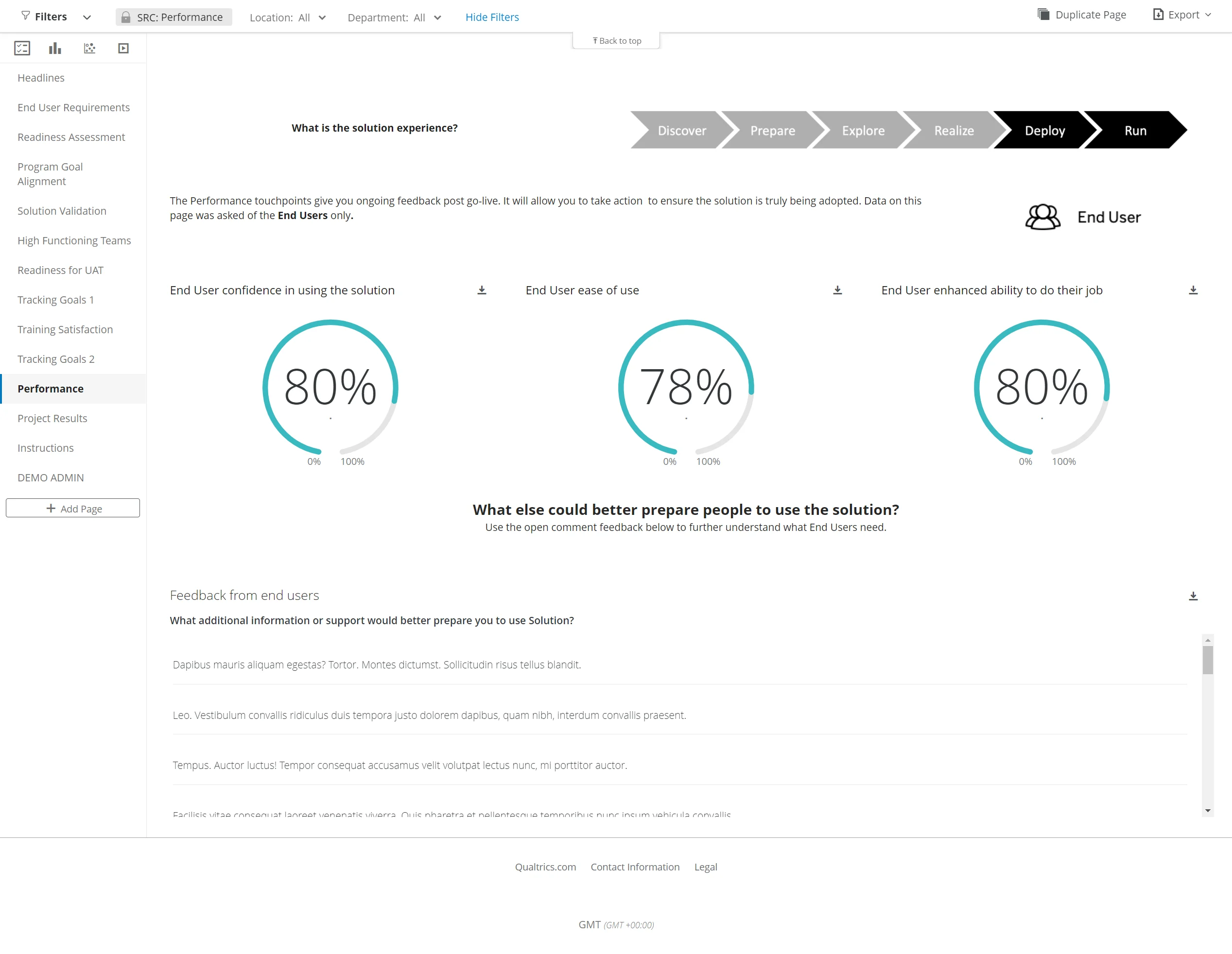
Qualtrics Employee Experience software is designed to help organizations collect employee feedback, measure engagement, understand employee sentiment, and turn insights into action. Qualtrics positions its EX software around AI-powered insights, engagement, retention, productivity, and real-time employee feedback.
What Qualtrics does well
Qualtrics is strong when organizations need rigorous employee listening programs, lifecycle feedback, engagement surveys, driver analysis, and executive-level people insights.
Where Qualtrics is weaker
Qualtrics helps you understand what employees feel. It does not, by itself, give you the channel to reach every employee, communicate action, or close the loop at scale.
Who should choose Qualtrics
Choose Qualtrics if the broken layer is listening: you need better insight into employee sentiment, engagement drivers, lifecycle moments, and workforce trends.
Ratings and reviews
12. Culture Amp
Best for: Engagement, performance, and development in one HR platform
Category: HR employee experience
Primary buyers: HR, People Leaders, Talent Development
Not ideal for: Communication reach, frontline access, or employee knowledge management
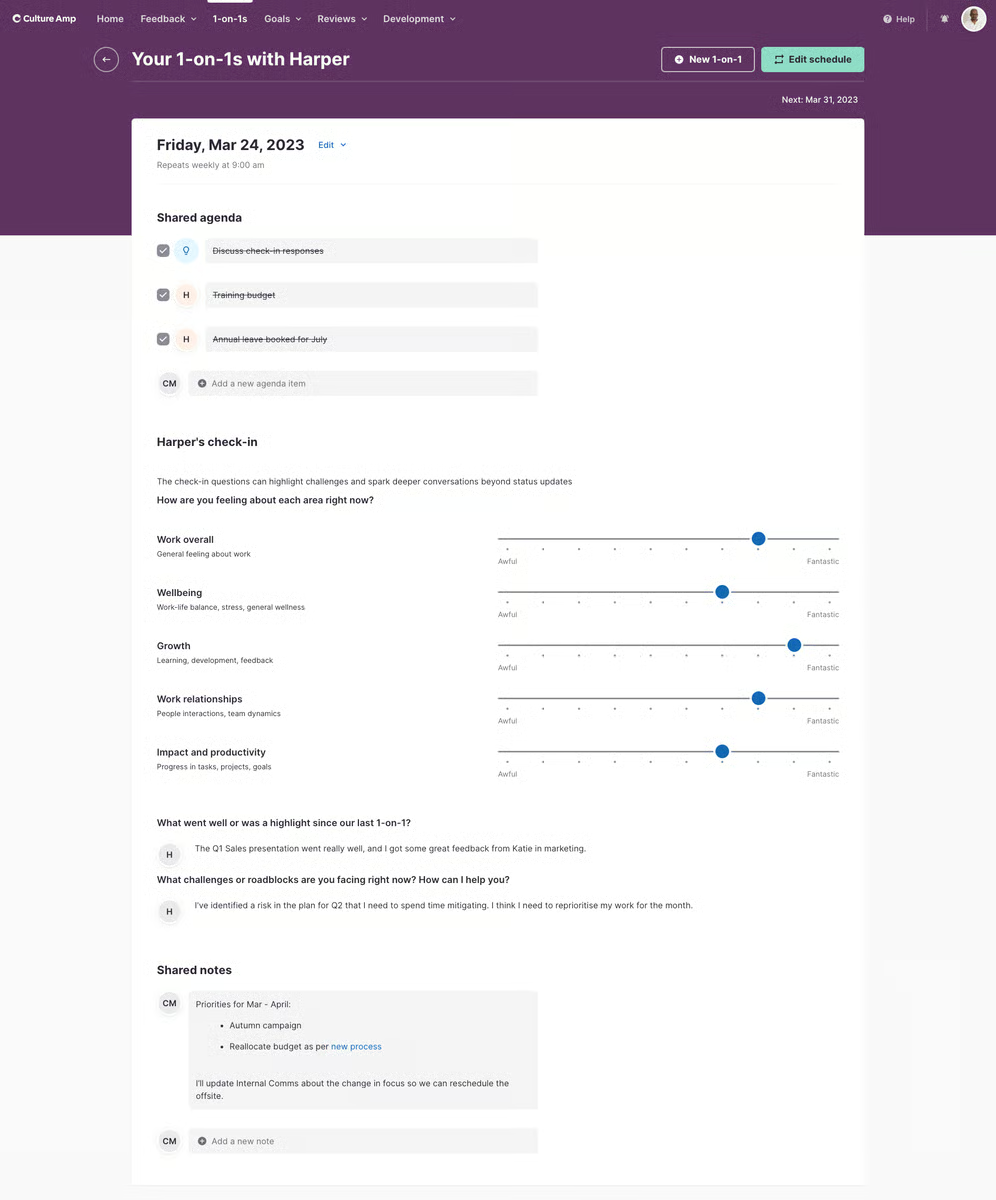
Culture Amp describes itself as an employee experience platform that combines performance, development, employee engagement, and people insights.
What Culture Amp does well
Culture Amp is strong for HR teams that want to connect engagement, performance, and development. It helps organizations understand employee sentiment, support managers, and build people programs around data.
Where Culture Amp is weaker
Culture Amp is not a communication channel. It can help diagnose engagement problems, but it won’t replace the platform needed to reach employees with trusted updates or operational information.
Who should choose Culture Amp
Choose Culture Amp if your priority is engagement measurement, manager effectiveness, performance, development, and HR-led people strategy.
Ratings and reviews
13. Workday Peakon Employee Voice
Best for: Continuous listening inside the Workday ecosystem
Category: Listening and employee voice
Primary buyers: HR, People Analytics, Workday teams
Not ideal for: Communication, intranet, frontline reach, or service delivery
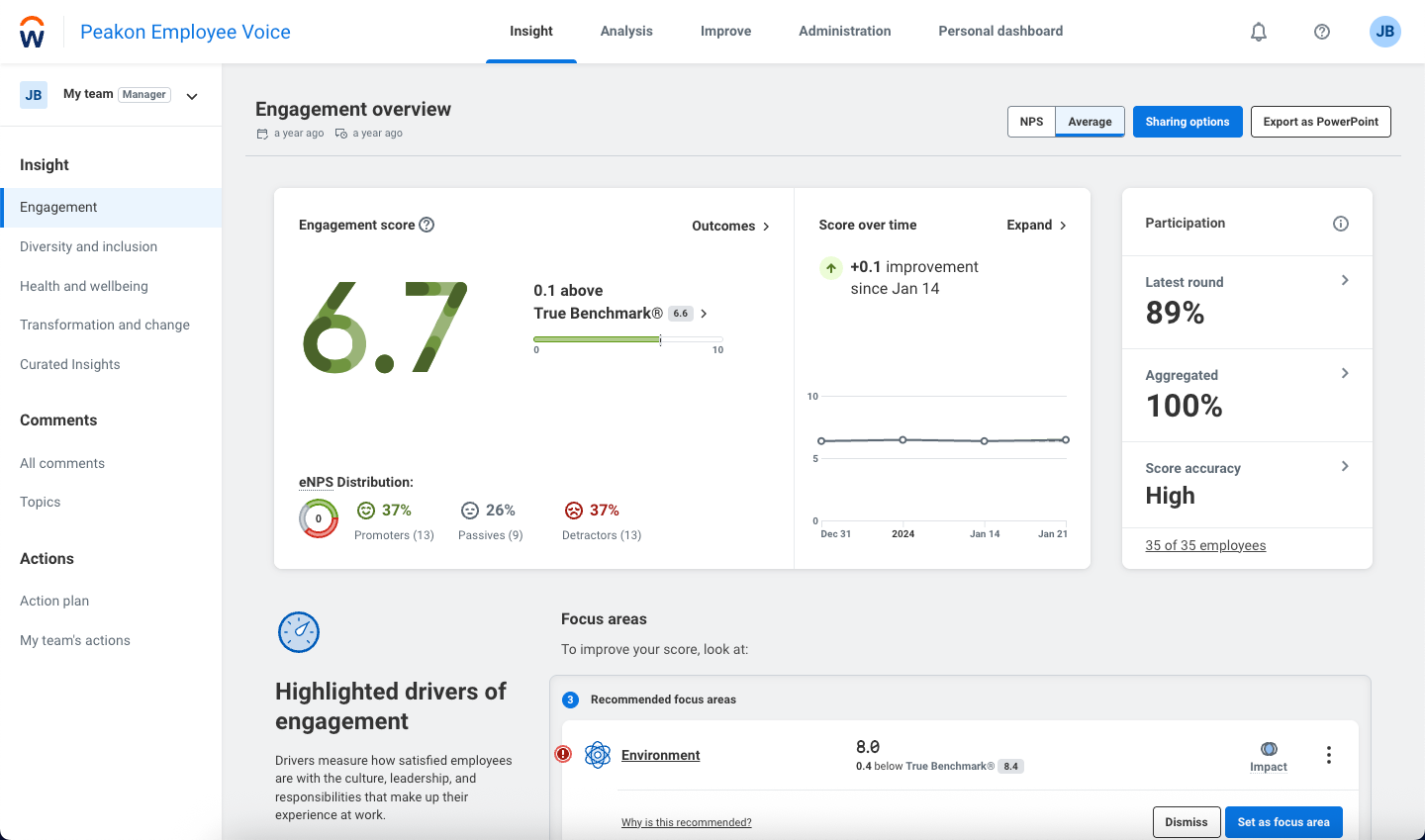
Workday Peakon Employee Voice is a continuous listening platform that gives organizations real-time insight into employee feedback, with features such as GenAI themes, summaries, flexible scheduling, dashboards, and collaborative action.
Choose Workday Peakon if you are already deeply invested in Workday and want employee listening to sit close to your HR system of record.
Ratings and reviews
14. Workhuman
Best for: Recognition, appreciation, and culture
Category: Recognition and culture
Primary buyers: HR, Culture, Total Rewards, Employee Experience
Not ideal for: Communication, service delivery, knowledge management, or IT DEX
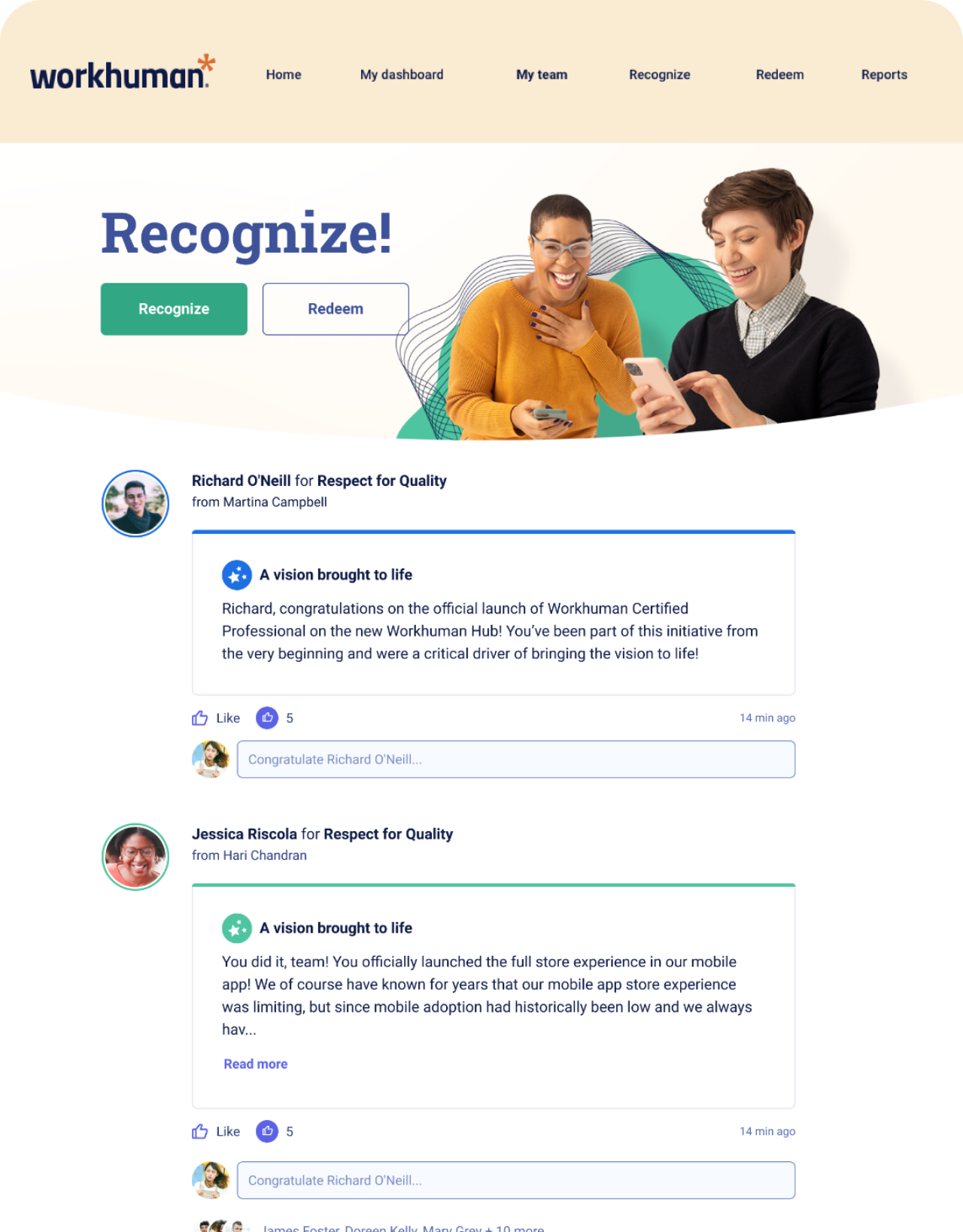
Workhuman is best known for employee recognition software. Its platform includes Social Recognition, Workhuman iQ, Conversations, Life Events, Service Milestones, Community Celebrations, Frontline Recognition, and Inclusion Advisor.
What Workhuman does well
Workhuman is strong when organizations want recognition to become more frequent, visible, data-informed, and connected to culture.
Where Workhuman is weaker
Recognition is important, but it’s not the whole employee experience. Workhuman won’t replace your communication platform, intranet, service delivery portal, performance system, or IT DEX tool.
Who should choose Workhuman
Choose Workhuman if the broken layer is appreciation: employees don’t feel recognized, managers lack structured recognition habits, or culture needs stronger everyday reinforcement.
Ratings and reviews
15. Lattice
Best for: Performance, goals, feedback, and development
Category: Performance and people management
Primary buyers: HR, People Operations, Talent Development
Not ideal for: Company-wide communication, frontline reach, or employee knowledge
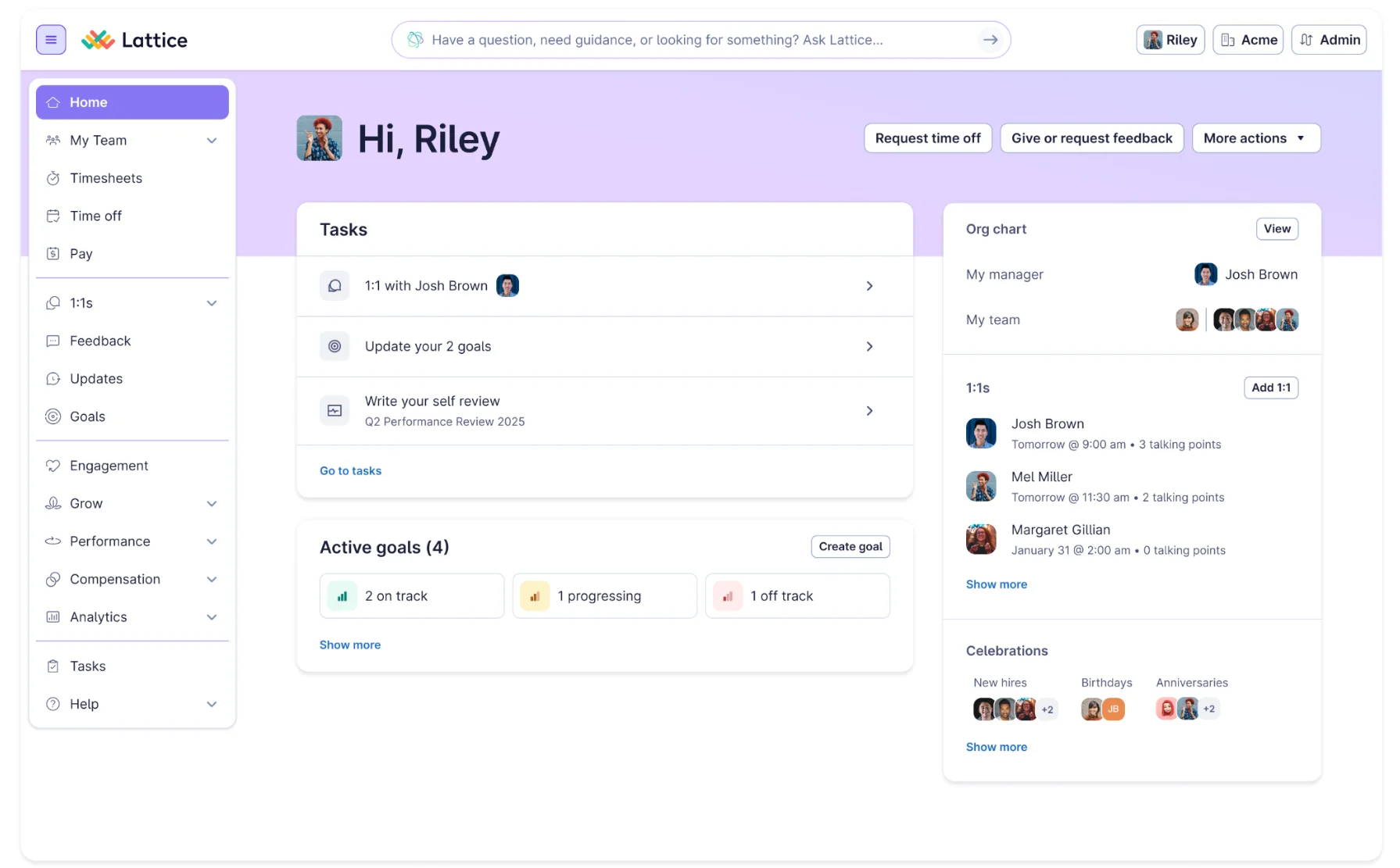
Lattice positions itself as an HR and AI platform for managing people and performance, used by more than 5,000 teams.
What Lattice does well
Lattice is strong for performance reviews, goals, feedback, development, compensation processes, and manager–employee alignment.
Where Lattice is weaker
Lattice is process-focused. It’s not designed to be the central communication layer, frontline employee app, or AI-ready employee knowledge base.
Who should choose Lattice
Choose Lattice if your broken layer is performance and development: employees lack clarity on goals, managers need better feedback routines, or HR needs a more structured performance process.
Ratings and reviews
16. Nexthink
Best for: IT-led Digital Employee Experience Management
Category: IT DEX management
Primary buyers: IT, Digital Workplace, End-User Computing
Not ideal for: Communication, culture, recognition, or HR listening
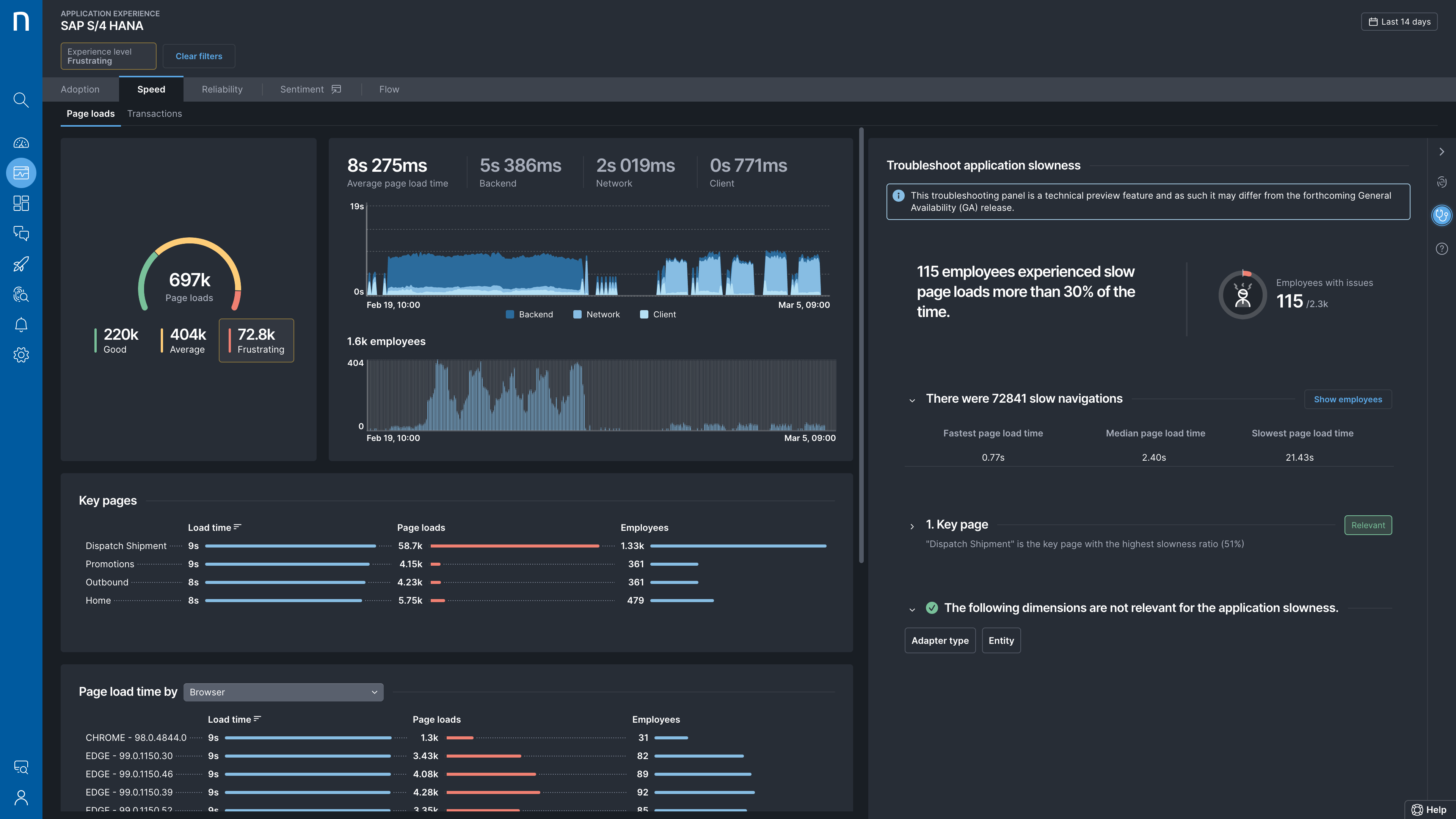
Nexthink is a Digital Employee Experience Management platform for IT teams. Nexthink describes its DEX platform as a unified data and automation layer that gives visibility across devices, networks, applications, and employee experiences.
What Nexthink does well
Nexthink helps IT understand and improve the employee technology experience. It can identify recurring issues, monitor application and endpoint performance, reduce digital friction, and support proactive remediation.
Where Nexthink is weaker
Nexthink is not an employee communication platform, intranet, recognition tool, or listening suite. It solves a different problem: the quality and performance of the digital workplace from an IT perspective.
Who should choose Nexthink
Choose Nexthink if the broken layer is technology experience: employees are frustrated by slow devices, unreliable applications, support issues, network problems, or recurring endpoint friction.
Ratings and reviews
17. ControlUp, Riverbed Aternity, Lakeside, and HP Workforce Experience Platform
These platforms also belong in the IT-led DEX category.
ControlUp ONE is positioned as an Autonomous Endpoint Management platform built on Digital Employee Experience software, combining monitoring, remediation, DEX telemetry, and AI-powered support across endpoints, virtual desktops, apps, and networks.
Riverbed Aternity, Lakeside, and HP Workforce Experience Platform are also relevant depending on your endpoint, network, and IT operations environment.
These tools should be shortlisted when the employee experience problem is technical friction. They should not be evaluated against Staffbase, Viva, Qualtrics, Culture Amp, or Workhuman as if they were solving the same category problem.
How to evaluate employee experience platforms
Choosing the best employee experience platform in 2026 is not just a feature comparison. It’s a category decision.
Before you open a single sales deck, answer these five questions.
1. Who is the employee experience actually for?
Are employees desk-based, frontline, hybrid, mobile, field-based, or shift-based?
Do they have corporate email?
Do they use Microsoft Teams daily?
Do they work in multiple languages?
Do they need access through personal devices, shared devices, kiosks, signage, SMS, or audio?
Many employee experience strategies fail because they are designed for the easiest employees to reach, not the hardest.
2. Which layer is broken?
Is the problem reach, knowledge, service, listening, recognition, performance, or technology?
The platform should match the broken layer.
If employees do not receive updates, you need communication reach. If they can’t find answers, you need governed knowledge. If they can’t request help, you need service delivery. If HR lacks insight, you need listening. If good work is invisible, you need recognition. If goals are unclear, you need performance management. If devices and apps are frustrating, you need IT DEX.
3. What should be the employee front door?
For some organizations, the employee front door is Microsoft Teams.
For others, it’s the intranet.
For frontline-heavy organizations, it’s an employee app.
For service-heavy organizations, it’s a service portal.
For AI-forward organizations, it may increasingly be an employee assistant. For AI-forward organizations, it may increasingly be an employee assistant. That only works if the assistant reaches every employee, including frontline workers without a corporate email address or Microsoft license, and can take the next step in the systems behind it. Our guide to what makes an AI assistant work for frontline teams covers the criteria in detail.
The best answer is rarely “one more destination.” It’s usually a connected experience across the channels employees already use.
4. Is your employee knowledge ready for AI?
Almost every vendor now claims AI capabilities. That’s not enough.
The real question is whether the platform can make AI trustworthy. Because AI doesn’t create trust in the employee experience — it inherits it from the communication layer beneath it.
Use this scorecard.
AI readiness question | Why it matters |
|---|---|
Does the platform have governed source content? | AI needs trusted material, not random documents. |
Can it respect permissions, roles, locations, and languages? | Employees should only receive answers that are relevant and allowed. |
Can employees see where answers came from? | An answer that sounds right and one that is right can look identical. A link back to the source lets employees and auditors tell them apart. |
Can teams identify outdated, duplicate, or contradictory content? | Bad content becomes worse when AI repeats it confidently. |
Does it work across channels, not only chat? | Employees still need proactive updates, not just answers on demand. |
Does it create a feedback loop from employee questions? | Repeated unanswered questions reveal content gaps. |
Can communicators and HR teams control tone, targeting, and governance? | AI must sound like the organization and follow company rules. |
Can it serve frontline employees, not only licensed knowledge workers? | AI transformation fails if it only reaches headquarters. |
In the AI era, the best employee experience platform is not the one with the most AI features. It’s the one with the most trustworthy employee knowledge layer underneath them.
5. What outcome will you measure?
Different platforms produce different outcomes.
A communication platform should improve reach, readership, trust, alignment, and message effectiveness.
A service delivery platform should reduce ticket volume, improve resolution time, and increase self-service success.
A listening platform should improve response rates, insight quality, and action planning.
A recognition platform should increase recognition frequency and visibility.
A performance platform should improve goal clarity, feedback quality, and development conversations.
An IT DEX platform should reduce digital friction, improve endpoint performance, and prevent support issues.
Don’t buy until you know which outcome matters most.
Who needs to be convinced?
Buying an employee experience platform is rarely a single-person decision. In most large organizations, four stakeholders shape the decision: Communications, HR, IT, and Operations.
Stakeholder | What they need | What they often ask |
|---|---|---|
Communications | Reach, trust, channel control, measurable impact | “Will AI replace my function?” |
HR | Better employee support, engagement, listening, lower repetitive questions | “Does this replace Workday?” |
IT | Governance, security, Microsoft compatibility, less tool sprawl | “We already have SharePoint.” |
Operations | Reliable communication to distributed teams | “Is this just corporate noise?” |
Communications: “will AI replace my function?”
AI will not replace the communications function, but it will change the work.
AI is good at drafting, summarizing, translating, repurposing, and personalizing content. Human communicators still own the work that matters most: deciding what needs to be said, what should not be said, who needs to hear it, what the audience needs to believe, and how communication supports company strategy.
The future of internal communications is not less strategic. It’s more strategic.
HR: “does this replace Workday?”
No. An employee experience platform does not replace Workday, SAP SuccessFactors, or another HR system of record.
The better question is whether it reduces the volume of repetitive HR questions and makes HR information easier to access. A strong EXP connects to HR systems and delivers relevant information through channels employees actually use.
With Navigator connected to Workday, an employee who asks about the leave policy can check their balance and submit a request in the same conversation. Workday stays the System of Record. Employees just don’t need another login to use it.
IT: “we already have SharePoint.”
SharePoint is valuable, but it wasn’t designed to solve every employee experience problem.
It’s strong for document management, collaboration, and Microsoft 365-based knowledge work. It’s weaker when the challenge is reaching frontline workers without corporate email, sending targeted push notifications, governing content expiration across communication channels, or creating a trusted AI answer layer for every employee.
A dedicated communication and employee experience platform should work alongside Microsoft 365, not replace it.
Operations: “is this just corporate noise?”
This objection usually comes from experience.
Many operational teams have seen platforms that broadcast everything to everyone. That creates noise, not alignment.
A strong employee experience platform should do the opposite: target information by role, location, language, shift, business unit, and relevance. A factory worker should see the safety update for their site, not parking information for a different office.
The difference between noise and value is governance, targeting, and trust.
Example employee experience platform stacks
Most large organizations won’t solve employee experience with one tool. They need a stack with a clear center of gravity.
Stack 1: Frontline-heavy enterprise
Best for manufacturing, retail, logistics, healthcare, hospitality, transportation, and field services.
Staffbase for employee superapp, intranet, email, signage, trusted communication, frontline reach, and AI-ready knowledge, with Navigator as the AI assistant that answers questions and completes requests in Workday and other systems
Workday or SAP SuccessFactors for HR system of record
ServiceNow for employee services and workflows
Qualtrics or Culture Amp for listening
Microsoft 365 for productivity and collaboration
Stack 2: Microsoft-first knowledge workforce
Best for professional services, technology, finance, and desk-based enterprise teams.
Microsoft Viva for Teams-based employee experience
SharePoint for documents and collaboration
Staffbase where all-employee communication, governance, or frontline reach needs to extend beyond Microsoft
ServiceNow or Jira Service Management for service delivery
Culture Amp, Qualtrics, or Viva Glint for listening
Stack 3: IT-led DEX transformation
Best when employees are frustrated by technology performance.
Nexthink, ControlUp, Riverbed Aternity, Lakeside, or HP Workforce Experience Platform for DEX monitoring and remediation
ServiceNow or Jira Service Management for IT service workflows
Staffbase for targeted technology change communication and adoption campaigns
Microsoft Viva or an intranet for knowledge-worker access
Stack 4: HR-led engagement and culture program
Best when the main issue is engagement, feedback, recognition, and development.
Qualtrics or Culture Amp for listening and employee insight
Lattice or Leapsome for performance and development
Workhuman or Awardco for recognition
Staffbase for leadership communication, action campaigns, and closing the loop with employees
The lesson: no single tool wins every category. But every stack needs a center of gravity. Pick that first, then add specialists around it.
When you do not need an employee experience platform
Even the best employee experience platform may be more than your organization needs.
You may not need one if you’re under 300 employees, have no frontline workforce, and can communicate effectively through existing tools.
You may not need one if your workforce is fully desk-based, Microsoft 365 adoption is very strong, and Teams and SharePoint already meet your communication and knowledge needs.
You may not need one if your communications are stable, simple, trusted, and there’s no near-term AI, transformation, frontline, or growth challenge.
Good buying is not just knowing what to buy. It’s knowing when not to buy.
Final recommendation: choose by broken layer, not by vendor category
There is no single best employee experience platform for every company. There is a best platform for your problem.
If the broken layer is service delivery, evaluate ServiceNow Employee Center + Moveworks, monday service, Zendesk, or Jira Service Management.
If the broken layer is listening, evaluate Qualtrics EmployeeXM, Culture Amp, Workday Peakon, or Medallia.
If the broken layer is recognition, evaluate Workhuman, Awardco, WorkTango, or Bonusly.
If the broken layer is performance and development, evaluate Lattice, Leapsome, Betterworks, or 15Five.
If the broken layer is technology performance, evaluate Nexthink, ControlUp, Riverbed Aternity, Lakeside, or HP Workforce Experience Platform.
If the broken layer is reach, trust, communication, frontline access, and AI-ready employee knowledge, Staffbase should be one of the first platforms you evaluate.
That last layer is where the most pressure is concentrated in 2026. Employees are overwhelmed. Knowledge is fragmented. AI is arriving fast. Frontline workers are still hard to reach. Leaders need one trusted way to connect the organization through change.
The strongest employee experience platform is no longer just another place to publish content.
It is the trusted employee source of truth that helps every employee know what matters, find what is true, and make informed decisions.
That is where Staffbase leads.
See what trusted AI looks like for your workforce.

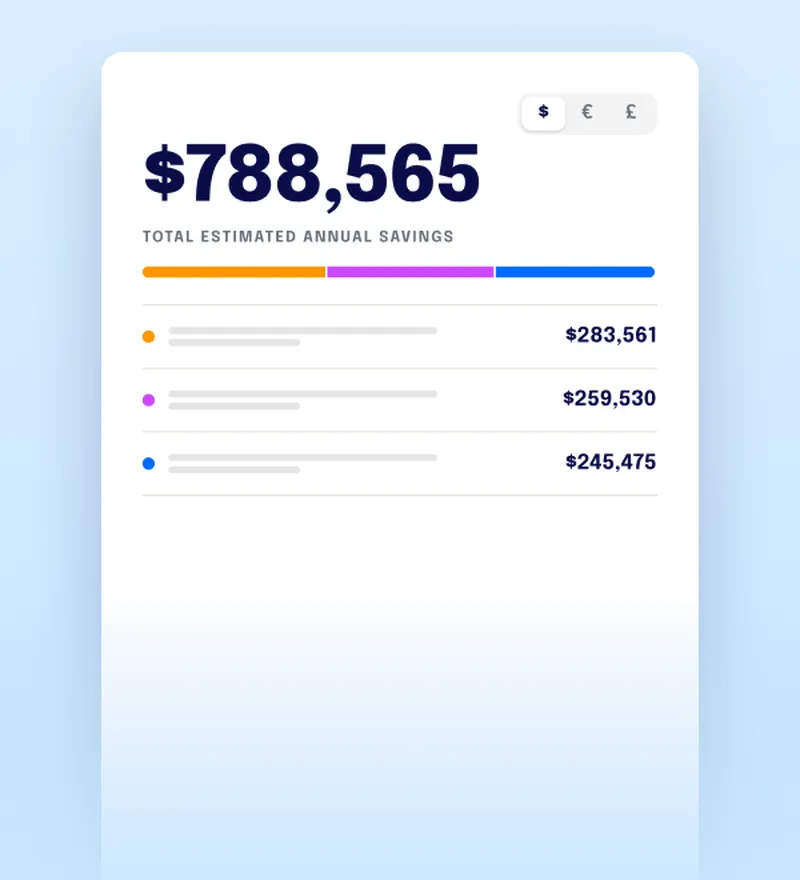
Not ready for a demo yet? Calculate your business case first with our ROI calculator.
Sources and references
Research and industry reports
Microsoft 2026 Work Trend Index Annual Report. Microsoft / WorkLab.
Gallup State of the Global Workplace: 2026 Report. Gallup, Inc.
Qualtrics 2026 Employee Experience Trends Report. Qualtrics.
Qualtrics: Employees Thrive Through Change — 2026 EX Trends release
Superagency in the Workplace (2025). McKinsey & Company.
Microsoft Work Trend Index Special Report on frontline workers (2022). Microsoft News.
43% of Deskless Workers Are Looking For a New Job. Boston Consulting Group (BCG).
Gartner: Best Digital Employee Experience Management Tools. Gartner Peer Insights.
Gartner Magic Quadrant for Digital Employee Experience Management Tools. Gartner.
ServiceNow completes acquisition of Moveworks (December 15, 2025). ServiceNow Investor Relations.
This guide reflects the Staffbase perspective based on market research available as of May 2026. Platform capabilities, pricing, and positioning change. We encourage you to validate current feature sets and ratings directly with vendors during evaluation.